A heat pump is not simply a replacement for a boiler. It changes the way your home is heated, using electricity to move heat from the air outside into your radiators, underfloor heating and hot water cylinder. For many Hertfordshire households, that can mean lower carbon heating and dependable comfort. The right result, however, starts with an honest assessment of the property rather than a one-size-fits-all quote.
If your current gas boiler is ageing, expensive to repair or due for replacement, a heat pump may be worth considering. It can be an excellent long-term choice, but suitability depends on your home’s heat loss, insulation, available space and the condition of your existing heating system.
How heat pumps heat your home
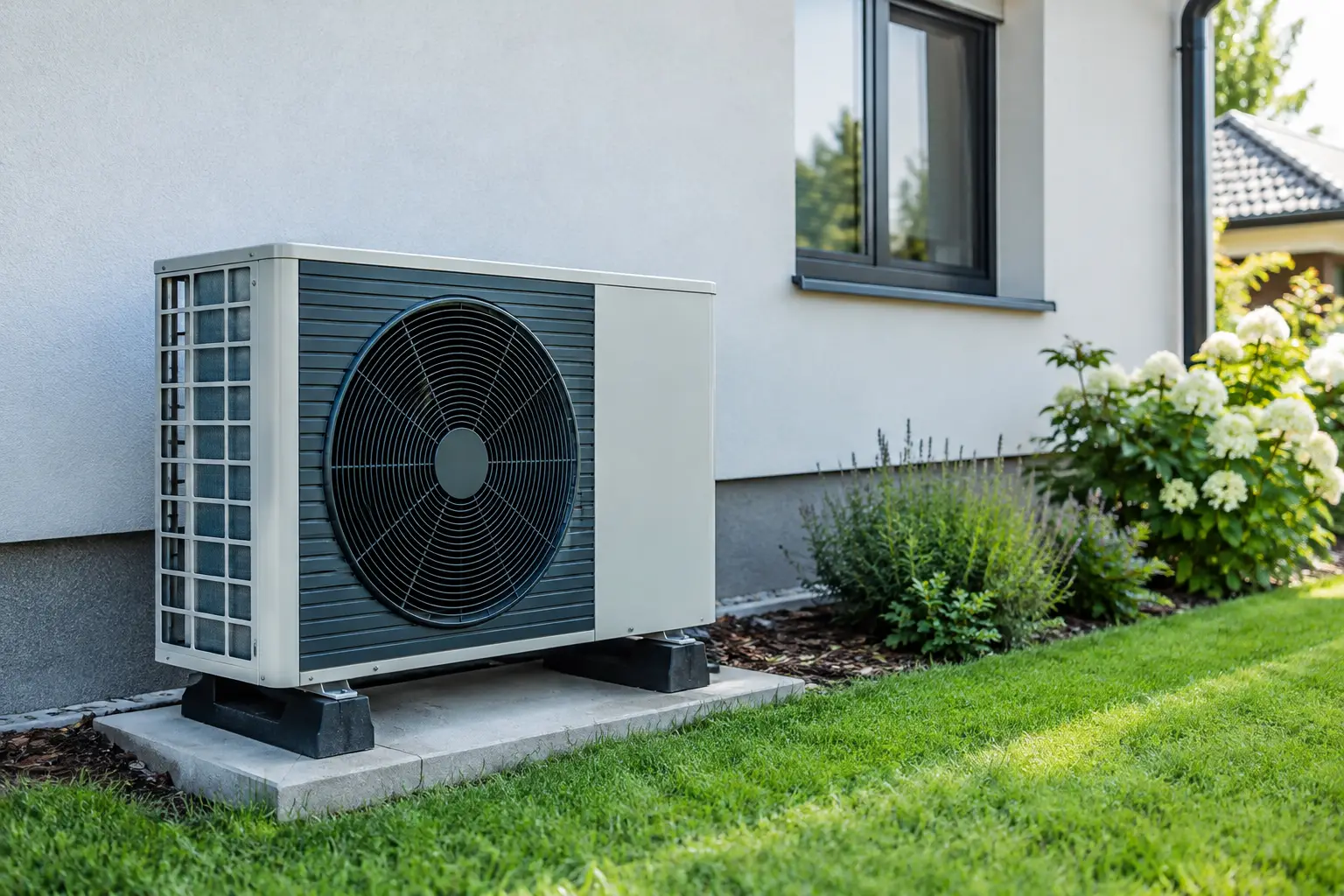
An air source heat pump sits outside and extracts usable heat from the air, even in cold weather. It uses a refrigerant cycle and electricity to raise that heat to a temperature suitable for your heating system. The unit then supplies warm water to your radiators or underfloor heating and, in most installations, to a separate hot water cylinder.
Unlike a boiler, which produces heat quickly at a high temperature, a heat pump works most efficiently by providing gentler heat over longer periods. That does not mean your rooms should feel cooler. It means the system needs to be designed around your home, with correctly sized emitters and sensible controls.
Efficiency is often described by the coefficient of performance, or COP. In simple terms, this measures how much heat the system delivers for each unit of electricity it uses. Performance varies with outdoor temperature, the temperature required by your radiators and how the system is installed. A well-designed system is far more important than a headline efficiency figure.
Are heat pumps suitable for older homes?
Yes, potentially. A heat pump is not limited to new-build properties, and many older homes can be upgraded successfully. The key question is not the age of the building but how quickly it loses heat.
A professional heat loss calculation looks at walls, loft insulation, windows, floors, room sizes and ventilation. This identifies the heat each room needs on the coldest days. It also helps establish whether improvements such as loft insulation, draught proofing or upgrading a radiator would make a meaningful difference before installation.
You do not always need to replace every radiator. Some existing radiators may be large enough to work well at lower flow temperatures, while others may need to be changed. Underfloor heating is a natural match because it operates effectively with lower water temperatures, but it is not essential.
Homes with poor insulation can still have heat pumps, but running costs and system size need careful consideration. In some cases, improving the fabric of the property first gives a better outcome and protects your investment. A reputable installer should explain this clearly rather than promising that every home will perform in exactly the same way.
Hot water needs a little more planning
Most heat pump systems use a hot water cylinder. This stores water heated gradually by the system, ready for baths, showers and taps. If you currently have a combi boiler and no cylinder, you will need suitable cupboard, airing cupboard or utility space.
Cylinder size should reflect the number of people in the household and their bathing habits. A larger family, for example, may need more stored hot water than a couple. Your installer should discuss this during the survey, along with any immersion heater backup and the most practical location for pipework.
What a proper heat pump survey should cover
A quick look at the outside wall is not enough to specify a heat pump. The design stage should be detailed, because it affects warmth, noise levels, running costs and long-term reliability.
A thorough survey should consider:
- the property’s room-by-room heat loss and insulation levels
- radiator sizes, pipework condition and whether any upgrades are needed
- space for the outdoor unit, cylinder and internal controls
- electrical supply requirements and condensate drainage
- hot water demand, household routines and control preferences
- planning considerations, clearances and the position of neighbouring properties
The outdoor unit needs clear airflow and a stable base. It will make a low, steady sound when running, so location matters. Positioning it thoughtfully helps protect your comfort and keeps the installation considerate for neighbours.
Heat pumps versus gas boilers
For homeowners used to a gas combi boiler, the biggest adjustment is usually how the system runs. A boiler can heat water to a high temperature quickly and provide hot water on demand. A heat pump is designed to run steadily and efficiently, often using weather compensation controls that adjust heating output as outdoor temperatures change.
That does not make one option automatically better for every property. A new gas boiler can still be a practical choice where budget is tight, a cylinder is not feasible or the home is not yet ready for lower-temperature heating. It can also provide a straightforward replacement when an urgent boiler failure needs resolving quickly.
A heat pump may be the stronger option for homeowners planning to stay in their property, improve insulation and reduce reliance on fossil fuel heating. It is especially worth exploring when you are carrying out wider refurbishment work, replacing a complete heating system or building an extension.
Running costs depend on electricity and gas prices, the performance of the system, the thermostat setting and how much heat your home needs. Be cautious of anyone who guarantees a specific saving without understanding your property and current energy use. Clear estimates should set realistic expectations, including the work required to make the system perform properly.
Installation with minimal disruption
A heat pump installation is more involved than a like-for-like boiler swap, but careful planning keeps disruption manageable. Work may include fitting the outdoor unit, installing a cylinder, altering pipework, upgrading radiators, flushing the system and setting up controls.
Once installed, the system should be commissioned properly. This includes checking flow temperatures, balancing radiators where needed, testing hot water performance and showing you how to use the controls. You should not be left guessing whether the system is operating as intended.
At Walsh Plumbing & Heating, the focus is on straightforward advice, fixed quotations and workmanship that is planned around the property rather than rushed around a generic specification. A good installation also includes a clear handover, so you know how to get the best from your new heating system.
Getting the best performance from a heat pump
Living with a heat pump is usually simple, but the most efficient approach can feel different from using a boiler. Avoid turning the heating fully off and then expecting rapid recovery each day. A steady temperature, with sensible timed adjustments, normally allows the system to work more efficiently.
Keep radiators clear of large furniture and avoid covering them with heavy curtains. If a room is consistently too warm or too cool, it may be a control or balancing issue rather than a reason to turn up the whole system. Annual servicing and prompt attention to faults will also help protect performance and manufacturer warranty terms.
The best next step is a survey that gives you facts about your own home: its heat loss, likely system changes, available space and realistic costs. With that information, choosing between a heat pump and a new boiler becomes a practical decision, not a leap into the unknown.