

A bedroom that feels like an oven at midnight, a loft conversion that traps heat all afternoon, or a home office that becomes unusable in July – that is usually when air conditioning installation for home moves from a nice idea to a practical upgrade. For many households, it is not about luxury. It is about sleeping properly, working comfortably, and keeping your home usable during warmer spells.
The right system can make a real difference, but only if it is sized and installed properly. Too small, and it struggles to cool the room. Too large, and it can cycle on and off inefficiently, wasting energy and leaving the space feeling clammy rather than comfortable. That is why the installation matters just as much as the unit itself.
What air conditioning installation for home actually involves
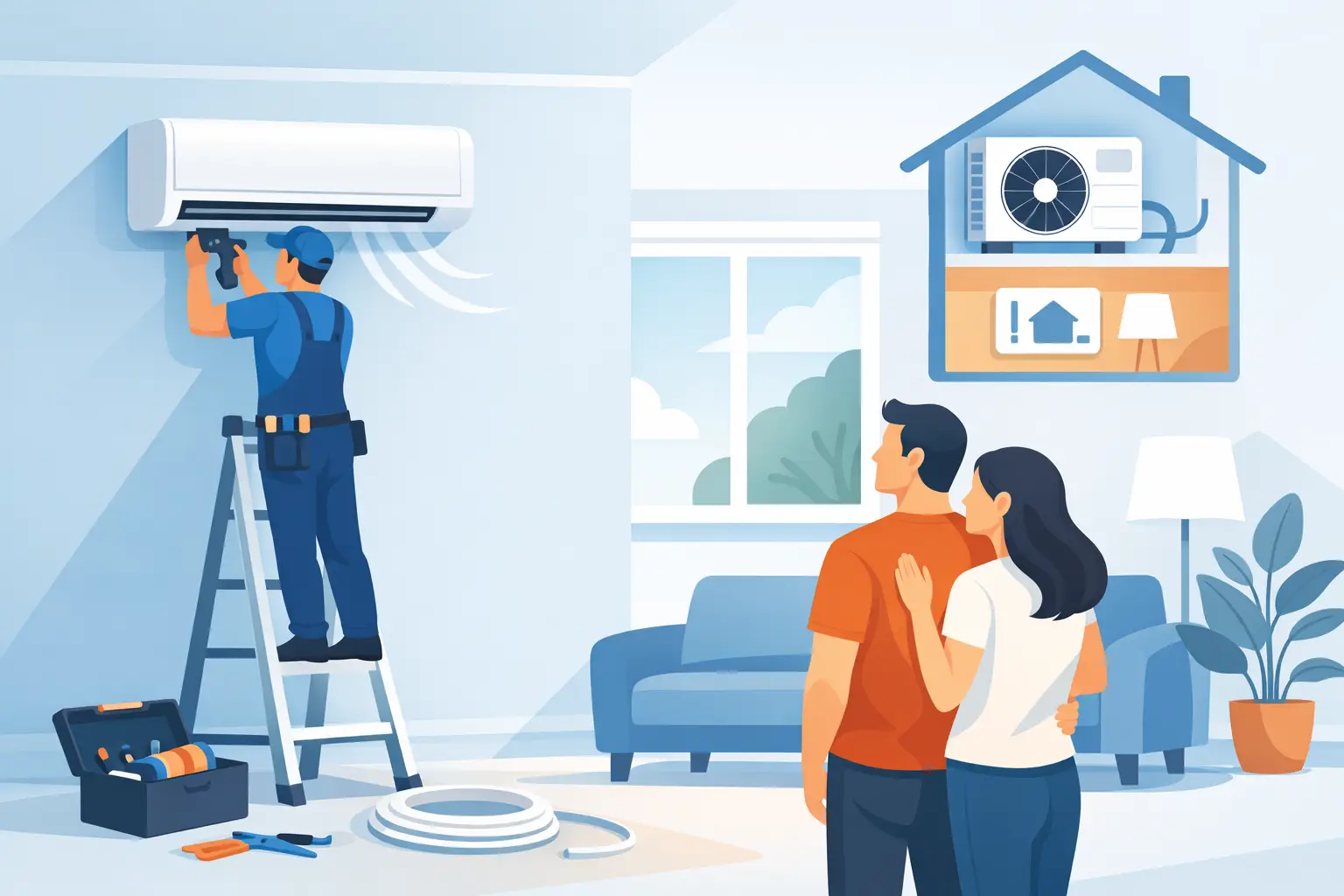
Home air conditioning in the UK is usually based around split systems. These have an indoor unit mounted high on a wall and an outdoor condenser connected by pipework and electrics. In some homes, a single room system is enough. In others, a multi-split arrangement can cool several rooms from one outdoor unit.
A proper installation starts with a survey, not a guess. Room size is part of the calculation, but it is not the whole story. A south-facing bedroom with large glazing behaves very differently from a shaded living room. Ceiling height, insulation, occupancy, and the amount of heat generated by electronics all affect system choice. A good installer will assess the property properly and explain why one option suits better than another.
There is also the practical side. Pipe runs need to be neat, drainage needs to be handled correctly, and the outdoor unit must be positioned with care. Poor placement can create noise issues, restrict airflow, or make future servicing awkward. A clean installation should look considered, not like an afterthought.
Choosing the right system for your home
For most homeowners, the first question is whether they need air conditioning in one room or throughout the house. The answer depends on how you use the property.
If one area causes the main problem, such as a master bedroom, nursery, or home office, a single split system is often the most cost-effective route. It keeps the initial spend lower and focuses cooling where it matters most. This works well for households that want immediate relief without turning the project into a whole-home upgrade.
If you have several consistently hot rooms, a multi-split system may make more sense. It gives you individual control in different spaces and can be tidier externally because fewer outdoor units are needed. The trade-off is a higher upfront cost and more planning during installation.
There is also the question of cooling only versus heating and cooling. Many modern systems provide both. That can be useful in spring and autumn when you want a quick, efficient way to take the chill off a room without running the full central heating. It will not replace every heating setup in every property, but in selected rooms it can be a very practical bonus.
Why sizing and design matter more than many homeowners realise
One of the biggest mistakes in domestic air conditioning is assuming bigger is better. It is easy to see why. People want a unit that feels powerful and gets the job done quickly. In reality, oversizing can cause short cycling, uneven temperatures and unnecessary energy use.
An undersized system has its own problems. It may run for longer periods, struggle during hotter weather and never quite achieve the comfort level you expected. That is frustrating when you have already invested in the upgrade.
Good design is what avoids both extremes. It includes calculating the cooling demand, choosing the right output, considering airflow direction, and planning the installation route so the finished system performs well and looks tidy. That is the difference between simply fitting an appliance and delivering a reliable long-term solution.
What affects the cost of air conditioning installation for home
Cost is one of the first things homeowners ask about, and rightly so. Pricing depends on the number of rooms, the system type, the complexity of the pipe run, electrical requirements and the accessibility of the installation area.
A straightforward single room installation is naturally more affordable than a multi-room system with long pipework routes and difficult outdoor access. Brand choice can also affect price, as can the specification of the unit itself. Quieter models, higher efficiency ratings and more advanced controls often cost more upfront, but they may offer better comfort and lower running costs over time.
What matters most is clarity. A proper quote should explain what is included, from labour and materials to commissioning and testing. You should know exactly what you are paying for. That avoids the common problem of a low initial figure that grows once the work has started.
Installation day: what to expect
A well-managed installation should feel organised from the start. The team should confirm the unit locations, protect the work area and keep disruption to a minimum. In many cases, a standard single room system can be fitted in a day, though more complex jobs can take longer.
There will usually be some drilling through an external wall for pipework and cabling. The indoor unit is mounted securely, the outdoor unit is positioned and connected, and the system is then pressure tested, vacuumed and commissioned. Those final steps matter. They are not extras. They are essential for performance and reliability.
Once installed, the engineer should show you how to use the controls properly. That includes setting temperatures sensibly, using timer functions, and understanding basic maintenance such as cleaning filters. Homeowners often get the best results when they know how to run the system efficiently rather than simply turning it to the coldest setting and hoping for the best.
Planning, appearance and noise considerations
Most homeowners are not just thinking about temperature. They also want the installation to look right and avoid creating new problems. This is where experienced advice is valuable.
Indoor units are typically wall mounted, so placement matters visually as well as practically. The aim is to achieve good airflow without dominating the room. Outside, the condenser should be positioned where it has enough ventilation and where noise will not become a nuisance to you or your neighbours.
Planning permission is not usually required for standard domestic installations, but it can depend on the property and location. Flats, listed buildings and conservation areas may involve additional considerations. This is another reason to use a professional installer who will flag potential issues early rather than halfway through the job.
Running costs and long-term value
A common concern is whether air conditioning is expensive to run. The honest answer is that it depends on the system, the room, your usage patterns and the energy efficiency of the unit. Used sensibly, modern systems are often more efficient than people expect.
The bigger value question is how much comfort you gain. Better sleep, more productive working from home, and a usable loft room in summer are not small improvements. For some households, especially where bedrooms overheat regularly, air conditioning quickly becomes one of the most appreciated upgrades in the property.
It also helps to think long term. A professionally installed, well-maintained system should provide reliable service for years. Choosing on price alone can be a false economy if the result is poor performance, untidy workmanship or recurring faults.
Why professional installation is worth it
Air conditioning is not a DIY job. Refrigerant handling, electrical connections, system testing and commissioning all need to be done properly and safely. More than that, the quality of the installation directly affects how the system performs day to day.
A good installer does more than fit equipment. They assess the space, recommend the right setup, complete the work neatly, and make sure you understand what has been installed. That combination of technical competence and clear communication is what gives homeowners confidence.
For households in Hertfordshire and surrounding areas, that peace of mind matters. If you are investing in home comfort, you want a system that works as promised, a quote that is clear, and an installation handled professionally from start to finish. That is the standard Walsh Plumbing & Heating believes customers should expect.
If your home has one room that is always too hot, or several spaces that become uncomfortable every summer, it is worth getting advice before the next warm spell arrives. The right system, fitted properly, can make your home feel better in a way you notice every single day.
