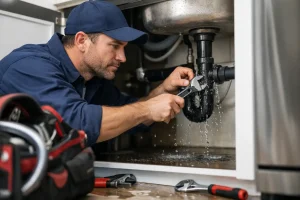
A new boiler should bring more than reliable heating and hot water. It should also give you confidence that, if a fault develops, you will not be left facing an unexpected repair bill. This guide to boiler replacement guarantees explains what your cover is likely to include, what it may not include, and the straightforward steps that help keep it valid.
A long guarantee can be a strong sign of confidence in both the boiler and the installation. However, the number of years is only part of the picture. The terms, the quality of the installation and the aftercare arrangements all matter just as much.
What is a boiler replacement guarantee?
A boiler guarantee is a promise from the manufacturer to repair or replace certain defective parts within a stated period. Most new boilers come with a standard manufacturer guarantee, while selected models may offer extended cover when they are fitted by an approved installer and registered correctly.
The guarantee usually applies to faults caused by a manufacturing defect. It is not the same as a service plan, home emergency policy or insurance product. Those may cover call-outs, labour or faults arising from wear and tear, depending on the policy. A manufacturer guarantee is more specific: it protects you against an issue with the boiler itself under the conditions set out by the manufacturer.
For many homeowners, an extended guarantee of up to 12 years makes a replacement easier to budget for. It can reduce the risk attached to a major purchase, particularly when replacing an older boiler that has become unreliable or costly to repair.
Boiler guarantee versus installation warranty
These two forms of protection are often confused, but they cover different things.
The manufacturer guarantee relates to the boiler and its components. If an internal part fails because it is faulty, the manufacturer’s terms may provide for repair or replacement.
An installation warranty relates to the workmanship involved in fitting the boiler and connecting it to your heating system. This can include matters such as pipework connections, controls, condensate drainage and commissioning. A properly installed boiler is essential not only for safe operation, but also because poor installation can affect efficiency, reliability and eligibility for manufacturer support.
Ask your installer to explain both in plain language before work begins. You should know who to call if there is a problem, how long workmanship is covered for and whether labour is included if a manufacturer-approved repair is needed. Clear answers at the quotation stage prevent uncertainty later.
What does a boiler replacement guarantee normally cover?
Every manufacturer has its own terms, so there is no single answer. In general, a valid guarantee may cover the repair or replacement of defective boiler components, such as the heat exchanger, fan, pump, printed circuit board or valves. Some guarantees include parts and labour, while others may place limits on labour costs or require repairs to be carried out by an approved engineer.
The guarantee does not usually mean every heating problem is covered. A boiler can be working correctly while another part of the system is causing trouble. A stuck radiator valve, a leaking radiator, a failed room thermostat, a low system pressure caused by external pipework or sludge in the system may fall outside the boiler manufacturer’s cover.
This is why a thorough survey matters. A good replacement recommendation looks at the condition of the existing heating system, not simply the boiler on the wall. If cleaning, filter installation, controls upgrades or pipework alterations are needed, these should be identified and priced clearly.
Conditions that can keep your guarantee valid
Extended boiler guarantees are valuable, but they are not automatic for every installation. Most depend on a few practical conditions being met from day one.
The boiler normally needs to be installed by a suitably qualified Gas Safe registered engineer. It must also be commissioned correctly, with the relevant benchmark documentation completed. For gas boilers, this confirms the appliance has been checked and set up in line with the manufacturer’s instructions and safety requirements.
Registration is equally important. In many cases, the boiler must be registered with the manufacturer within a set period after installation. Do not assume this has happened without confirmation. Your installer should tell you what has been registered and provide the details you need to retain.
Annual servicing is another common condition. A yearly boiler service helps identify early signs of wear, checks safe operation and keeps a record of maintenance. Missing a service can put an extended guarantee at risk, even if the boiler has otherwise performed well.
Keep the following information together in a safe place:
- Your itemised installation quote and final invoice
- The boiler make, model and serial number
- The completed benchmark or commissioning record
- Confirmation of manufacturer registration and guarantee length
- Annual service records and any repair paperwork
Digital copies are useful, but it is sensible to keep the original documents too. If you sell the property, these records can also reassure the next owner that the heating system has been looked after.
What can invalidate boiler cover?
Guarantee terms differ, but common issues can cause a claim to be declined. Poor water quality is a frequent example. Older heating systems can contain sludge, scale and debris that restrict flow and damage boiler components over time. A powerflush or chemical clean may be recommended before or during installation, followed by inhibitor to protect the system water.
Unapproved alterations can create problems as well. If another person changes the boiler, controls, flue or connected pipework without following the manufacturer’s requirements, the guarantee may no longer apply. The same is true where repairs are attempted by someone who is not appropriately qualified.
A missed annual service, a failure to register the boiler on time, accidental damage and faults caused by external system components are also commonly excluded. No one wants to read pages of small print, but the exclusions are worth checking before you commit. The right installer will talk you through them without jargon.
Choosing a guarantee length that suits your home
The longest available guarantee is not automatically the best reason to choose a boiler. First, the boiler must be correctly sized for your home and hot water demand. A compact flat with one bathroom has different needs from a family home with several bathrooms and frequent simultaneous use of hot water.
You should also consider the availability of parts, the manufacturer’s service network, the controls included and the condition of your existing system. A lower-priced boiler with shorter cover may suit a landlord managing several properties, while an owner-occupier planning to stay put may value a premium model with a longer parts and labour guarantee.
The key is to compare like for like. Check whether the quoted guarantee is standard or extended, whether annual servicing is required, and whether the stated period covers parts and labour. A fixed quote should make this clear. You pay what you are quoted, with no hidden costs added because the cover was described vaguely.
Questions to ask before approving a boiler replacement
Before accepting a quote, ask which guarantee applies to the exact boiler being proposed and why. Confirm its length in writing, whether it is manufacturer-backed, and whether the installer will register it for you. It is also sensible to ask what work is included to protect the system, such as a magnetic filter, inhibitor and cleaning where needed.
If you are replacing a boiler urgently, do not let speed remove these checks. A fast turnaround is helpful when heating or hot water has failed, but commissioning, registration and documentation should never be rushed or overlooked. The same care applies to rental properties, where servicing records and safety responsibilities need particular attention.
At Walsh Plumbing & Heating, the aim is to make replacement decisions clear: a suitable boiler, transparent fixed pricing, accredited installation and a guarantee you understand before work starts. A new boiler is a long-term investment, so keep its paperwork, service it every year and ask questions until you are satisfied with exactly what your cover promises.