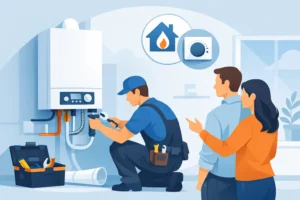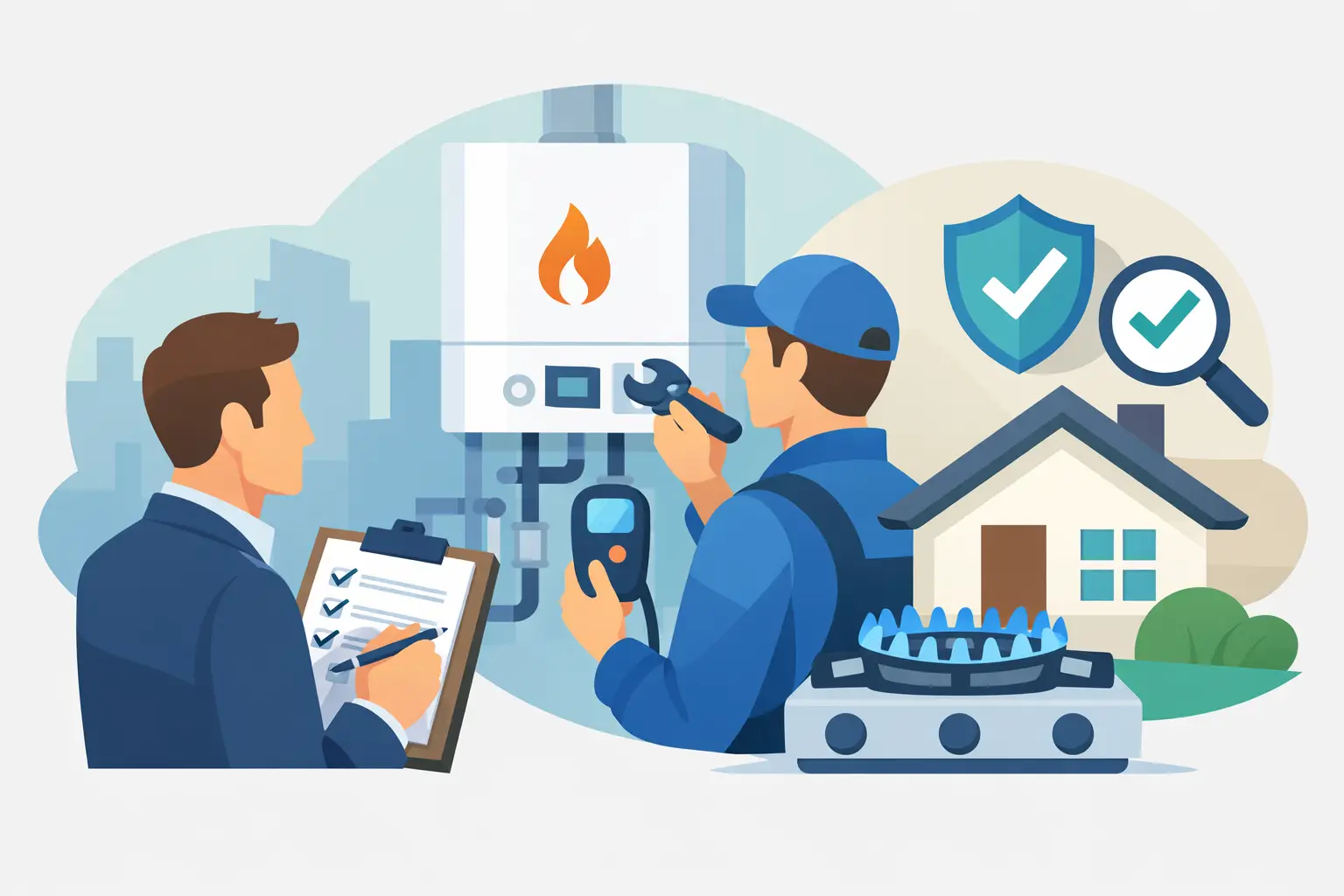
A boiler can appear to be working normally while a fault develops in the flue, ventilation or burner. For landlords, that is exactly why a guide to landlord gas checks needs to start with safety, not paperwork. A valid record matters, but the annual inspection is there to help protect tenants from gas leaks, fire and carbon monoxide risks.
Whether you own one rental flat or manage several properties, the process is straightforward when it is planned properly. The key is to know what must be checked, when it must be done and who is qualified to carry out the work.
What is a landlord gas safety check?
A landlord gas safety check is an annual inspection of gas appliances, flues and associated pipework that you provide for your tenants. It must be completed by a suitably qualified Gas Safe registered engineer. Following a satisfactory inspection, the engineer issues a Landlord Gas Safety Record, often referred to as a CP12 certificate.
The inspection is required under the Gas Safety (Installation and Use) Regulations 1998. It applies to most rented homes, including houses, flats and properties let by local authorities or housing associations. The duty sits with the landlord, even where a managing agent helps to arrange the appointment.
The check covers gas equipment supplied as part of the tenancy. This commonly includes a gas boiler, gas fire, cooker or hob. The engineer will assess whether appliances are operating safely, whether there is adequate ventilation, whether flues are clear and correctly installed, and whether combustion is producing safe results.
A gas safety check is not identical to a boiler service. A safety check confirms that the appliance is safe at the time of inspection. A service is more detailed preventative maintenance, usually following the manufacturer’s instructions. In practice, arranging both at the same visit can be sensible, particularly for a boiler that also needs regular servicing to maintain its manufacturer guarantee.
Your legal responsibilities as a landlord
Landlords must arrange a gas safety check at least every 12 months. You do not need to wait until the certificate expires to book it. Inspections can usually be carried out between 10 and 12 calendar months after the previous check while retaining the existing renewal date. This gives you useful time to organise access without allowing the certificate to lapse.
You must keep each Landlord Gas Safety Record for at least two years. Current tenants must receive a copy within 28 days of the check being completed. New tenants must be given the latest record before they move in.
The responsibilities do not end with the annual appointment. You also need to ensure that any gas appliance, flue or pipework you provide is maintained in a safe condition. If a tenant reports a smell of gas, a boiler fault, soot marks, a yellow or lazy flame, recurring pilot-light problems or a carbon monoxide alarm sounding, arrange professional attention immediately.
Tenants are generally responsible for gas appliances they own themselves, such as a freestanding cooker they have brought into the property. However, it is still wise to make the position clear in the tenancy agreement and to take concerns seriously if their appliance may affect a shared flue, ventilation or the wider safety of the home.
Do all rental properties need one?
If the property has no gas supply and no gas appliances, a landlord gas safety check will not apply. That does not remove other maintenance and safety duties. Electric heating, oil systems and heat pumps have their own servicing requirements, while smoke and carbon monoxide alarm rules must still be considered.
For homes in England, landlords must ensure carbon monoxide alarms are installed in rooms used as living accommodation that contain a fixed combustion appliance, excluding gas cookers. Alarms must be repaired or replaced once the tenant informs you they are faulty. Requirements can differ across the UK, so landlords with properties outside England should check the rules that apply locally.
What happens during the inspection?
A professional gas safety visit is designed to identify hazards before they become an emergency. The engineer will first confirm the appliances and gas installation that fall within the landlord’s responsibility. They will then carry out a range of checks appropriate to the equipment at the property.
This typically includes checking for gas tightness, confirming that appliances are burning gas correctly, examining flues for safe removal of combustion products and ensuring ventilation is suitable. The engineer will also check that safety devices are working, appliances are stable and correctly installed, and the operating pressure or heat input is within a safe range where relevant.
The work should never be rushed. Access to the boiler, gas meter, flues and relevant appliances needs to be available. Before the appointment, ask tenants to clear stored items from boiler cupboards and ensure pets are safely managed. A little preparation reduces delays and helps the engineer complete a thorough inspection.
If the engineer identifies an unsafe appliance, they will explain the issue and what needs to happen next. Depending on the severity, they may need to turn off or disconnect the appliance to make it safe. This can be inconvenient, especially in winter, but it is the right response where there is a genuine risk. Do not allow an appliance to be put back into use until the required repair has been completed by a qualified engineer.
A practical guide to landlord gas checks and access
Tenant access is one of the most common reasons certificates lapse. Landlords have a duty to take reasonable steps to arrange the safety check, but tenants also have a responsibility to allow access when proper notice has been given. Good communication makes a significant difference.
Book the check well before the renewal deadline and offer appointment options where possible. Send the date and time in writing, then follow up with a reminder. If access is missed, keep a clear record of calls, emails, letters and attempted visits. There is no fixed number of attempts that automatically proves compliance. What matters is that you can show genuine, reasonable efforts to gain access and complete the work.
Avoid forcing entry simply to carry out a routine gas check unless you have the legal authority and have taken appropriate advice. If you believe there is an immediate gas emergency, the situation is different. Act promptly, follow emergency guidance and take steps to protect occupants and neighbouring properties.
For managed properties, agree from the outset who will book the engineer, receive the certificate and chase access. The landlord remains ultimately responsible, so it is worth checking that the record has actually been issued and filed rather than assuming the task is complete.
Choosing the right engineer
Only a Gas Safe registered engineer can carry out a landlord gas safety inspection. Registration alone is not the whole picture. The engineer must also hold the correct qualifications for the specific appliance types being checked, such as boilers, cookers or fires.
Before work begins, ask to see the engineer’s Gas Safe ID card if you are unsure. It shows both registration details and the categories of work they are qualified to undertake. A reputable local heating company should also explain the scope of the visit, provide clear pricing and issue the completed record promptly.
It can be tempting to choose solely on the lowest call-out price, but a missed appointment, vague paperwork or an engineer without the relevant competence can create far more expense later. Reliable scheduling, clear communication and properly documented work are particularly valuable when you are balancing tenant expectations with legal deadlines.
Keeping compliance simple all year round
The easiest way to manage landlord gas safety is to treat it as a recurring property task, not a last-minute annual problem. Set a reminder two to three months before the renewal date, store certificates securely and keep a simple list of every gas appliance at each property. When a boiler is ageing or repeatedly failing, plan for repair or replacement before the next heating season rather than waiting for a breakdown.
A well-maintained boiler is more likely to heat the property efficiently, remain dependable for tenants and pass its safety inspection without unexpected disruption. It also gives you time to make a considered decision if replacement is needed, rather than accepting the first available option during a no-heating emergency.
For landlords across Hertfordshire and surrounding areas, Walsh Plumbing & Heating can arrange Gas Safe inspections, boiler servicing and repairs with clear communication from booking through to certification. The best time to organise your next check is while the current record is still valid – giving you and your tenants the reassurance that the property is safe, compliant and ready for the months ahead.