A landlord gas safety certificate is not simply an administrative task to complete before a tenancy starts. It is a legal safety check designed to protect the people living in your property from gas leaks, fire, carbon monoxide and unsafe combustion. For landlords, getting it right also protects against avoidable voids, disputes and the serious consequences of failing to meet your obligations.
Whether you manage one flat or a growing portfolio across Hertfordshire, the process should be straightforward: arrange an annual inspection with a Gas Safe registered engineer, act promptly on any faults and give your tenants the required record on time. The detail matters, though, particularly when a certificate is due, an appliance fails or access to the property is difficult.
What is a landlord gas safety certificate?
The formal document is called a Landlord Gas Safety Record. Many people, including engineers and letting agents, refer to it as a CP12 or a landlord gas safety certificate. It records the outcome of a gas safety check carried out at a rental property.
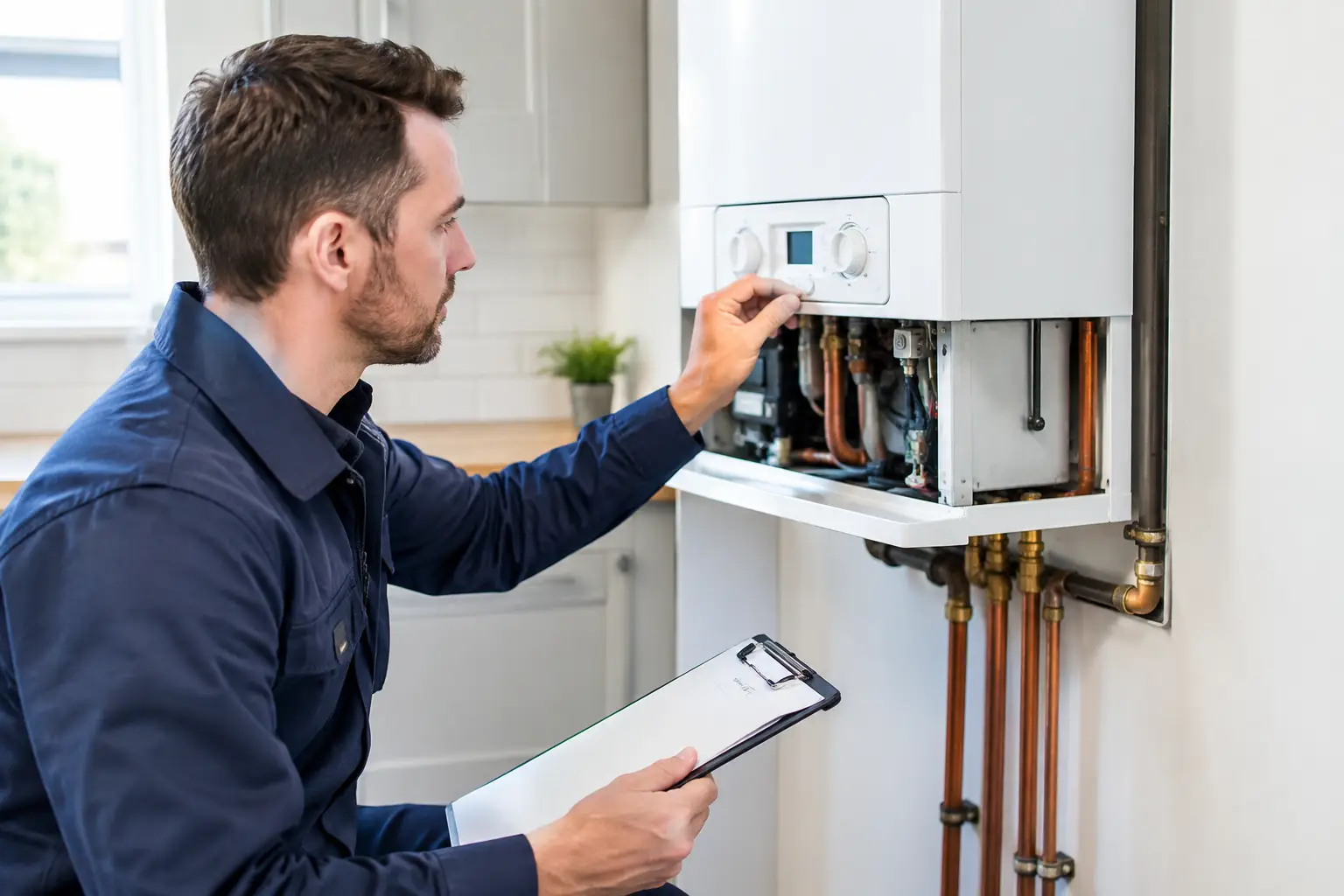
The check covers gas appliances and flues that the landlord provides, such as a gas boiler, gas fire, cooker or hob. A Gas Safe registered engineer will inspect them to confirm they are operating safely. They will check areas including gas tightness, ventilation, flue performance, safe combustion and whether required safety devices are working correctly.
If the appliances pass, the engineer issues the record. If they identify a problem, the record will explain it and set out what needs attention. An unsafe appliance may need to be switched off and labelled until it has been repaired. That can be inconvenient, especially during colder weather, but safety must come first.
A gas safety check is different from a boiler service. The annual safety check is a legal requirement for most rented homes with landlord-supplied gas appliances. Servicing is not, in itself, the same legal obligation, although regular servicing is strongly recommended. It helps keep a boiler efficient, supports manufacturer warranty conditions and can identify developing faults before they turn into a no-heating call-out.
Who needs a landlord gas safety certificate?
If you let a property with gas appliances, you will usually need an annual safety check. This applies to private landlords, housing associations, local authorities and property companies. It can also apply where accommodation is provided as part of employment.
Your responsibility does not disappear because a letting agent manages the tenancy. An agent may arrange the inspection and send the record, but the landlord remains ultimately responsible for compliance. Make sure there is a clear written agreement about who books the check, receives the certificate, follows up repairs and monitors the renewal date.
The requirement generally applies to appliances that you own or provide for tenants to use. If a tenant brings their own gas cooker, you are not normally responsible for having that appliance checked. However, the installation pipework and any flue connected to landlord-provided equipment may still be your responsibility. When ownership or responsibility is unclear, ask a qualified engineer to assess the set-up rather than making assumptions.
When does the check need to be completed?
A valid gas safety check is required every 12 months. Before a new tenant moves in, they must receive a current copy of the Landlord Gas Safety Record. Existing tenants must receive a copy within 28 days of the check being completed.
You must keep the record for at least two years. In practice, keeping organised digital copies for longer is sensible. It gives you a clear maintenance history, helps with property sales or insurance queries, and makes it far easier to manage renewals across several properties.
There is some flexibility around timing. A check completed between 10 and 12 months after the previous check can retain the original renewal date, rather than moving it earlier each year. For example, if your certificate is due in September, arranging the visit in July or August may allow you to deal with repairs before the deadline without losing your September anniversary. This is useful, but it should not become a reason to leave booking until the last minute.
An expired record is not something to put right retrospectively. If the date has passed, arrange an inspection as soon as possible and keep a clear record of what you have done. There is no substitute for a valid current check.
Choosing the right engineer
Only a Gas Safe registered engineer can carry out this work. Registration matters because it confirms the engineer is legally qualified to work on gas, and their Gas Safe ID card shows the categories of work they are approved to undertake.
Before the appointment, ensure the engineer is qualified for the appliances at your property. Most domestic engineers will be able to inspect common boilers, cookers and fires, but specialist or commercial equipment may require different competencies. For mixed-use buildings and small commercial premises, this is especially worth checking in advance.
A professional visit should also give you clear information. If repairs are needed, you should understand what has failed, whether the appliance can be safely used, what the repair involves and what it will cost. Transparent advice makes it easier to make a prompt, informed decision when tenants are waiting for heating or hot water.
What happens if an appliance fails?
A failed check does not automatically mean the whole property cannot be occupied, but it does mean the identified issue must be taken seriously. The engineer will explain the severity of the fault and may isolate the appliance to prevent use. Do not reconnect, alter or use an appliance that has been declared unsafe.
The right next step depends on the fault. A small repair might allow the appliance to be returned to service quickly. An older boiler with repeated faults, poor efficiency or unavailable parts may be better replaced than repaired again. The lowest immediate cost is not always the lowest cost over the next few winters, particularly if a breakdown leaves tenants without heating.
Once remedial work is complete, ask whether a further safety check or updated record is required. Keep all repair paperwork with the certificate. This creates a proper audit trail and demonstrates that you responded responsibly.
Carbon monoxide alarms and tenant safety
Gas safety checks are one part of your wider safety duty. Landlords in England must ensure a carbon monoxide alarm is fitted in every room used as living accommodation that contains a fixed combustion appliance, excluding gas cookers. This includes rooms with gas boilers and gas fires.
You must ensure alarms are in proper working order at the start of each new tenancy. Tenants should test alarms regularly and report faults straight away, but landlords should make it easy for them to do so. A working alarm does not replace proper installation, maintenance or annual gas safety checks. It is an essential additional warning where carbon monoxide cannot be seen or smelled.
Encourage tenants to report warning signs promptly: yellow or orange boiler flames instead of a crisp blue flame, black marks around appliances, unusual condensation, pilot lights repeatedly going out, or symptoms such as headaches, dizziness and nausea that improve away from the property. If they suspect carbon monoxide, they should get fresh air, seek appropriate urgent advice and avoid using the appliance until it has been checked.
Dealing with access problems without losing control
Tenants must allow reasonable access for essential safety work, but landlords cannot simply enter a home whenever it suits them. Give proper notice, offer practical appointment options and communicate clearly about why the visit is required.
If a tenant misses an appointment or refuses access, do not let the certificate expire without taking action. Keep written records of calls, messages, letters and attempted visits. Offer alternative dates and explain the legal safety reason for the inspection. Evidence that you took reasonable steps is important, but it does not make the safety concern disappear. A well-written tenancy agreement and a reliable reminder process can prevent most access issues.
For occupied properties, booking ahead is usually the simplest approach. Contact tenants several weeks before the due date, confirm whether they will be home, and follow up with a reminder shortly before the appointment. A small amount of organisation is far less disruptive than arranging emergency access after a deadline has passed.
A practical compliance routine for landlords
The most reliable approach is to treat gas safety as a yearly property-management routine, not a last-minute certificate chase. Keep a central record of each property’s appliance details, certificate issue date, renewal date, engineer reports and repair history. Set reminders well before the 10-month point so there is time to book a suitable appointment and deal with any defects.
It is also worth coordinating the gas safety check with boiler servicing where appropriate. They are separate jobs, but completing both in one planned visit can reduce disruption for tenants and help maintain the heating system properly. Ask for clarity on what is included so you know you are receiving both the legal safety check and any additional service work you have requested.
Walsh Plumbing & Heating provides clear, professional gas safety inspections for landlords who want a dependable record, straightforward advice and prompt support if issues are found. Our Gas Safe registered engineers can help keep your property safe and your obligations manageable.
A current certificate is valuable, but the real outcome is more meaningful: tenants who can use their heating and hot water with confidence, and a property that is being looked after properly all year round.