

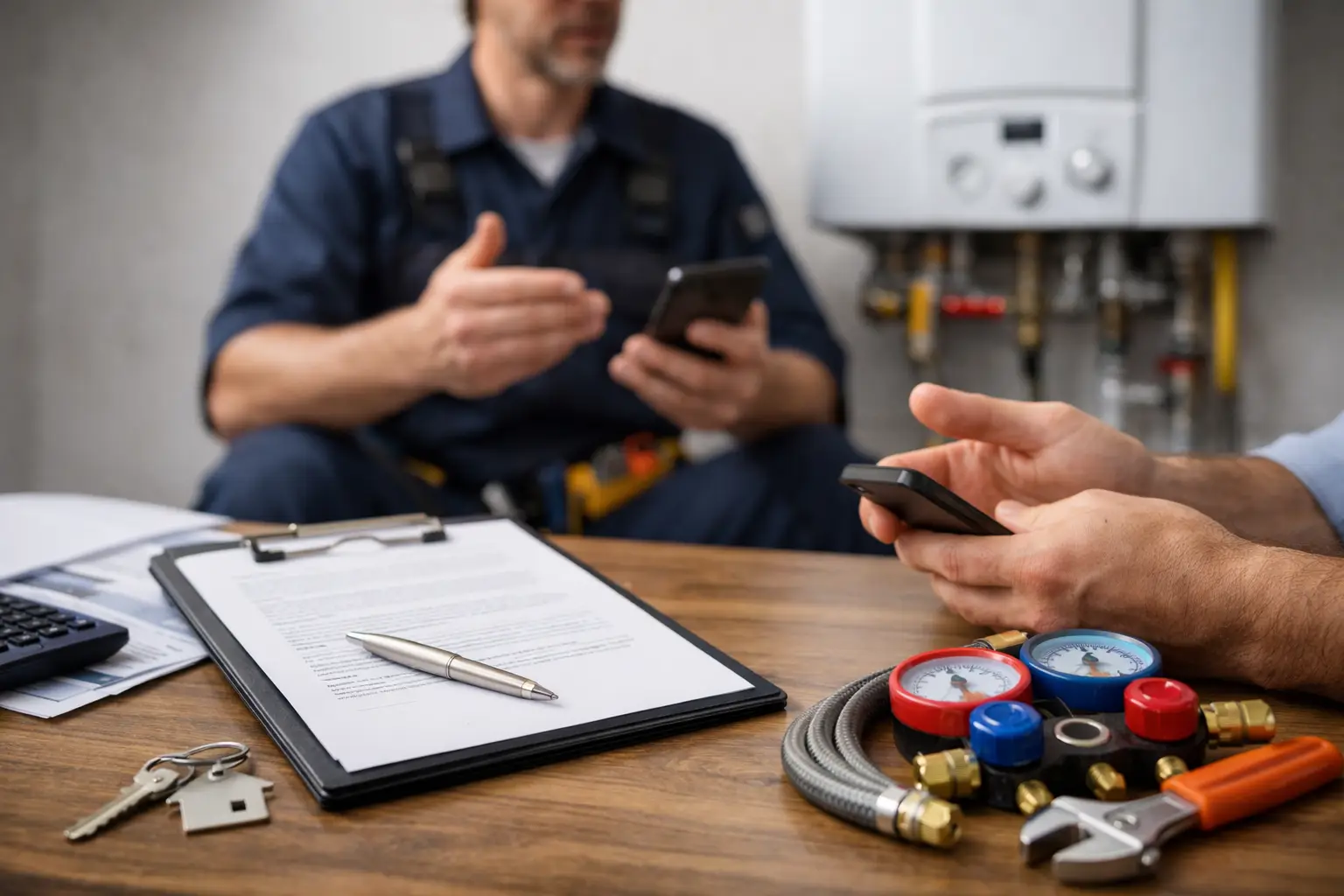
A boiler failure rarely arrives at a convenient time. When you are without reliable heating or hot water, the last thing you need is uncertainty over the final bill. A fixed price boiler quote should give you a clear route from the first survey to a working new boiler, with the scope of work, price and protection explained before work begins.
The headline figure matters, but it is not the whole decision. Two quotes can look similar and include very different standards of installation, warranties and aftercare. Knowing what to ask means you can compare like for like and choose with confidence.
What does a fixed price boiler quote mean?
A fixed price quote is an agreed cost for a defined boiler installation. It should set out the boiler model, the work included, the materials required and any agreed extras. You pay what you have been quoted for that scope of work, rather than receiving an open-ended estimate after the job is complete.
This is particularly valuable when replacing an old or unreliable boiler. You can make a decision based on a known cost, consider finance options where available, and plan the work around your household or business without worrying about vague hourly charges mounting up.
A fixed price does not mean an engineer can ignore a previously hidden issue. For example, a concealed leaking pipe, unsafe flue route or damaged gas supply may only become apparent once work starts. A professional installer should explain the issue, show you what has been found and agree any additional work and cost with you before proceeding. There should be no surprise additions to the invoice.
What should be included in your fixed price boiler quote?
A good quote should be detailed enough for you to understand exactly what you are buying, without filling the page with technical jargon. At a minimum, it should identify the proposed boiler and explain why it suits your property, hot water demand and existing heating system.
The boiler make, model and output are important. A boiler that is too small may struggle when more than one tap or shower is in use. One that is oversized can cost more than necessary and may not operate as efficiently as intended. The right recommendation depends on the size of the property, the number of bathrooms, insulation levels and how your household uses hot water.
Your quote should also confirm whether the following are included: removal and responsible disposal of the old boiler, installation of the new appliance, flue components, condensate pipework, a magnetic system filter, heating controls and commissioning. These details affect both the price and the long-term performance of your heating.
For many replacements, the condition of the existing system is just as important as the boiler itself. Older radiators and pipework can contain sludge and debris that reduce efficiency and put strain on new components. The quote should state whether a system clean, inhibitor and filter are included, or whether these have been recommended separately. Skipping this work to produce a cheaper figure can be a false economy.
Controls, thermostats and efficiency
Modern heating controls help your boiler respond to the temperature in your home rather than running harder than necessary. Depending on the system, this may include a programmable thermostat, smart controls, thermostatic radiator valves or weather compensation.
Ask which controls are included and whether the installer will set them up and show you how to use them. A new boiler can only deliver its best efficiency when it is correctly commissioned and controlled. Simple guidance on schedules, temperatures and hot water settings can make a real difference to comfort and energy use.
Guarantees and registration
The manufacturer guarantee should be clearly stated in writing. Some boilers are available with guarantees of up to 12 years when fitted by an approved installer and registered correctly, but the length and terms depend on the boiler selected and the work completed.
Check what is covered, what annual servicing is required to keep the guarantee valid and who will register the appliance. You should also receive the relevant commissioning records and building compliance notification after installation. These documents are useful for your own records and can help when selling or letting a property.
Why the survey matters before you accept a quote
An instant online price can be a helpful starting point, especially when you need to move quickly. However, a proper survey is what turns an indicative price into a dependable installation plan.
The survey allows the engineer to assess the current boiler location, flue position, gas pipework, condensate route, ventilation requirements and electrical supply. They can inspect the heating system, discuss any cold spots or hot water concerns, and identify whether a straightforward replacement is suitable.
It is also your chance to ask practical questions. Will the boiler stay in the same place? Is a combi boiler right for your household, or would a system boiler and cylinder better suit multiple bathrooms? How long will the work take, and will your heating and hot water be off for the day? Clear answers now prevent avoidable disruption later.
Comparing boiler quotes without choosing on price alone
A lower price is not automatically a better deal. It may reflect a different boiler, fewer controls, no system clean, a shorter guarantee or important materials left outside the stated figure. Equally, paying more only makes sense if the additional work and protection are genuinely useful for your property.
Compare the proposed boiler model and output first, then look at the full scope of installation. Make sure each quote addresses flue work, filters, controls, pipework changes, disposal, commissioning and registration in the same way. If something is unclear, ask for it to be confirmed in writing.
Credentials matter too. A gas boiler must be installed by a Gas Safe registered engineer. Choosing an experienced local installer with recognised manufacturer accreditations and a strong record of customer service gives you added reassurance that the system will be designed, fitted and handed over properly.
Questions worth asking before you book
Before accepting a quote, establish whether the price includes VAT and whether there are any exclusions specific to your property. Ask how long the quote remains valid, the expected installation date and whether a deposit is required.
It is sensible to ask who will carry out the work, what protection will be used in your home, and how waste will be removed. A professional team should respect your property, keep the work area tidy and explain the handover once the installation is complete.
You should also ask about support after installation. Find out how to arrange annual servicing, what to do if you have a question about the controls, and who to contact if the boiler develops a fault. A long guarantee is valuable, but responsive local support is just as important when you need it.
When a fixed quote may need to change
The fairest installers are clear about this from the outset. Once a survey has been completed, most replacement jobs can be quoted at a fixed price with confidence. Changes tend to arise only when the requested scope changes or when an unforeseen issue is uncovered that could not reasonably have been identified beforehand.
Examples include a customer deciding to move the boiler after accepting the quote, discovering unsafe existing work behind an enclosure, or finding that a flue route requires more extensive alterations than was visible during the survey. In these situations, the right approach is simple: pause, explain the options and costs, then obtain your approval before carrying out extra work.
At Walsh Plumbing & Heating, we believe boiler replacement should feel straightforward, even when your old boiler has let you down. A clear survey, an honest fixed quote and careful installation give you the certainty to make a sensible decision for your home.
When you request your quote, do not be afraid to ask for clarity on every point that affects the finished job. The right installer will welcome the questions, explain the options plainly and leave you knowing exactly what your new heating system will cost and how it will be cared for.
