A boiler that sounds as though it is boiling a kettle can be alarming, particularly when your heating and hot water are otherwise working. If you are asking, why is my boiler kettling, the noise is usually caused by restricted water flow or a build-up of debris inside the heating system. It is not a fault to ignore, but it does not automatically mean you need a new boiler.
Kettling can reduce efficiency, place extra strain on components and, if left unresolved, lead to a more expensive repair. The right solution depends on the age and condition of your boiler, the water quality in your area and whether the issue lies in the boiler itself or the wider central-heating system.
What does boiler kettling sound like?
Boiler kettling is a rumbling, banging, popping or whistling sound that often occurs while the boiler is firing. It may be most noticeable when the heating first comes on or when hot water is being drawn from the taps.
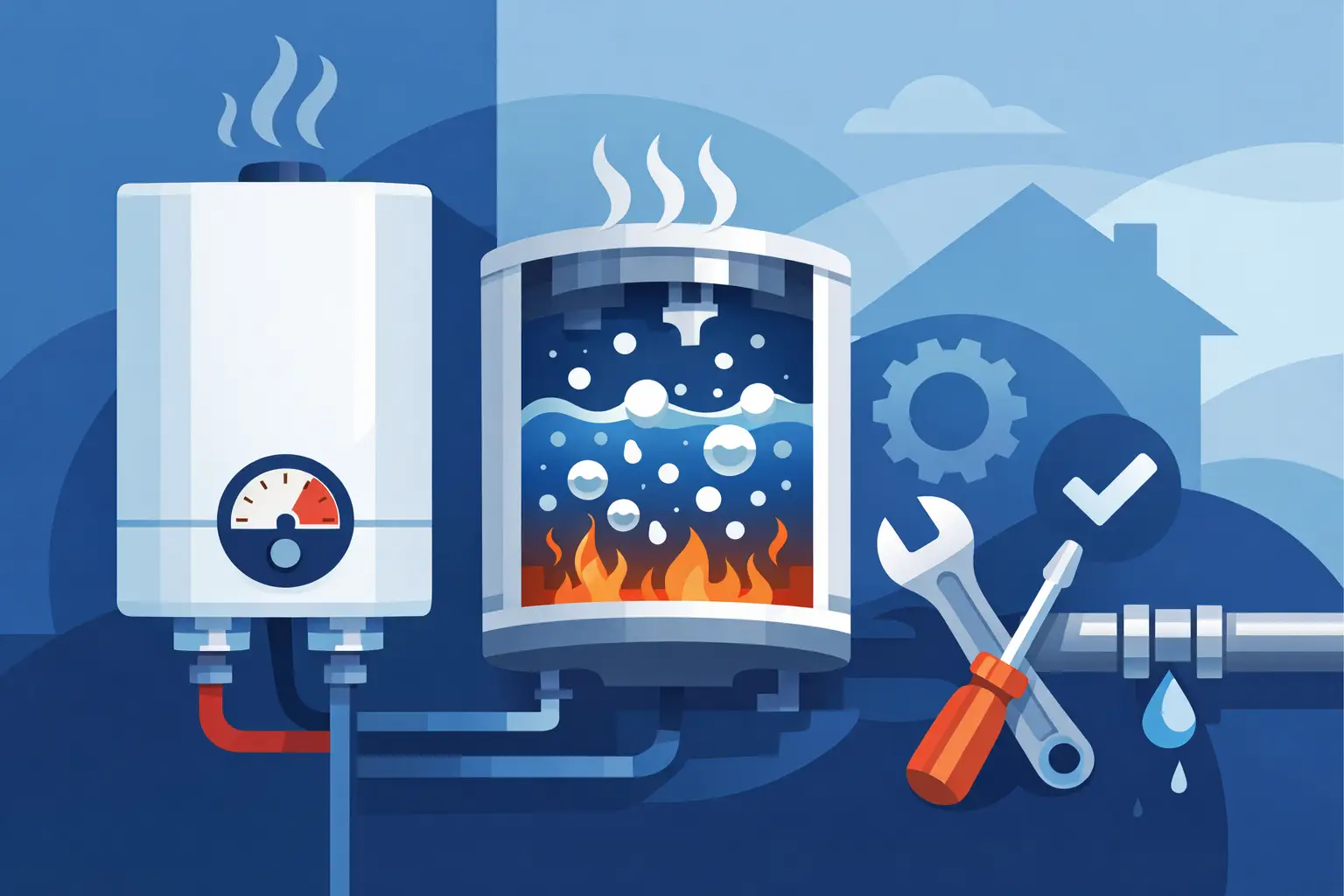
The name comes from what is happening inside the appliance. Water is becoming too hot in one small area, forming steam bubbles. Those bubbles collapse as they move into cooler water, creating the familiar kettle-like noise.
A modern gas boiler should operate relatively quietly. Some gentle fan noise, clicking at start-up and the sound of water moving through pipes can be normal. Persistent banging, bubbling or rumbling from the boiler casing is not something to put down to normal operation.
Why is my boiler kettling in the first place?
The most common cause is limescale or sludge restricting the movement of water through the boiler’s heat exchanger. When water cannot circulate at the intended rate, the exchanger overheats in places. This creates steam and causes the noises associated with kettling.
Hard water is particularly relevant across many parts of Hertfordshire and surrounding areas. Minerals in the water can settle inside the heat exchanger over time. This is more likely in older systems or where there is no suitable scale protection.
Central-heating sludge can create a similar problem. It is a dark mixture of corrosion deposits, dirt and magnetite that circulates around radiators and pipework. Sludge may collect in the heat exchanger, pump or radiator valves, reducing flow and making the boiler work harder than it should.
Kettling can also be linked to a faulty pump, a blockage, partially closed valves, incorrect system pressure or an issue with the boiler’s controls. In some cases, the appliance has been installed on an older, poorly maintained system and the underlying water quality has never been addressed.
The noise alone cannot confirm the cause. A proper diagnosis matters because cleaning a heat exchanger will not solve a failing pump, and replacing a pump will not remove a system-wide sludge problem.
Is a kettling boiler dangerous?
A kettling boiler is not normally an immediate gas emergency, but it should be checked promptly by a Gas Safe registered engineer. Continued overheating and poor circulation can damage the heat exchanger, pump and other internal components. It can also leave you with unreliable heating or hot water at the worst possible time.
Turn the boiler off and seek urgent professional advice if you smell gas, notice a burning smell, see water leaking from the boiler, experience repeated lockouts, or a carbon monoxide alarm sounds. Do not remove the boiler casing or attempt to repair internal parts yourself.
If the boiler is making noise but otherwise appears safe and operational, arrange an inspection rather than waiting for it to fail completely. Early attention can sometimes prevent a straightforward clean or component repair becoming a major breakdown.
Checks you can make safely before booking a repair
There are a few observations that can help an engineer diagnose the problem, without taking risks or interfering with the appliance.
First, check the boiler pressure gauge when the system is cold. Most sealed systems sit around 1 to 1.5 bar, although your boiler manual is the best reference. Pressure that is very low, unusually high or constantly changing is worth reporting.
Next, consider where and when the noise occurs. Does it happen with central heating, hot water, or both? Is one radiator cold at the bottom while others heat up normally? Do you need to top up pressure regularly? These details can point towards poor circulation, debris or a separate system fault.
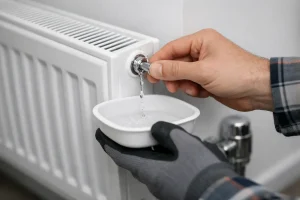
You can also check whether radiator valves are open and whether the boiler display is showing a fault code. Write the code down rather than repeatedly resetting the boiler. Frequent resets can mask the issue and do not fix the reason the boiler is struggling.
Avoid adding chemicals, altering internal boiler settings or trying to flush the system yourself. Heating systems need the correct treatment and concentration of inhibitor. The wrong approach can cause leaks, loosen excessive debris or invalidate a manufacturer warranty.
How engineers fix a kettling boiler
A Gas Safe engineer will assess the boiler, its heat exchanger, pump performance, system pressure and circulation. They may also test the heating water and inspect filters, valves and radiators to establish whether the issue is localised or affects the whole system.
Where limescale or debris is the cause, the repair may involve cleaning or replacing a restricted heat exchanger. Depending on the system condition, a chemical clean or powerflush may be recommended to remove sludge from radiators and pipework. A magnetic filter can then capture circulating debris before it reaches the boiler again.
A powerflush is not the answer in every case. On an older system with fragile radiators or existing leaks, the engineer should explain the potential risks and whether a gentler clean, targeted repairs or partial upgrades would be more sensible. Clear advice matters more than selling a treatment that does not suit the system.
If a pump, diverter valve, sensor or control fault is reducing water flow, replacing the affected component may resolve the noise. Once repairs are complete, the system should be properly refilled, vented and dosed with inhibitor where appropriate.
Could kettling mean the boiler needs replacing?
Not always. Many kettling faults are repairable, especially when identified early. However, replacement can be the better long-term option if the boiler is old, out of warranty, repeatedly breaking down or has a damaged heat exchanger that makes repair uneconomical.
The calculation is not simply about the cost of today’s repair. An ageing boiler may use more gas, have limited spare-part availability and be more vulnerable to further failures. A new efficient boiler, installed with a system clean, magnetic filter and suitable controls, can address the current fault while improving reliability and running costs.
For landlords and small business owners, reliability is particularly important. An avoidable heating failure can disrupt tenants, staff and customers, as well as create compliance and scheduling pressures. A transparent quote should set out whether repair or replacement represents better value for the property.
Preventing boiler kettling from returning
Good annual servicing is the starting point. During a service, an engineer can identify early signs of debris, poor pressure control and component wear before the boiler begins making unusual noises.
Protecting the heating water is equally important. A correctly fitted magnetic filter, regular cleaning of that filter and the right level of corrosion inhibitor help keep sludge away from the boiler. In hard-water areas, scale protection may also be appropriate, particularly for systems that have previously suffered heat-exchanger restrictions.
If radiators develop cold spots, take longer than usual to warm up or need regular bleeding, do not wait until the boiler starts kettling. These can be early signs that circulation is deteriorating.
Walsh Plumbing & Heating can assess a noisy boiler, explain the findings in plain English and provide a clear recommendation for repair, cleaning or replacement. A boiler should keep your property comfortable in the background, not demand attention every time the heating comes on.