A lot of homeowners start asking why install a heat pump when their boiler is ageing, energy bills feel unpredictable, or they want a heating system that is better prepared for the future. That usually happens at the point where patching up an older system no longer feels like good value. If you are weighing up your next move, the real question is not whether heat pumps are fashionable. It is whether they make sense for your property, your budget, and the way you use heating day to day.
For many homes, they do. But not in exactly the same way for everyone.
Why install a heat pump instead of another boiler?
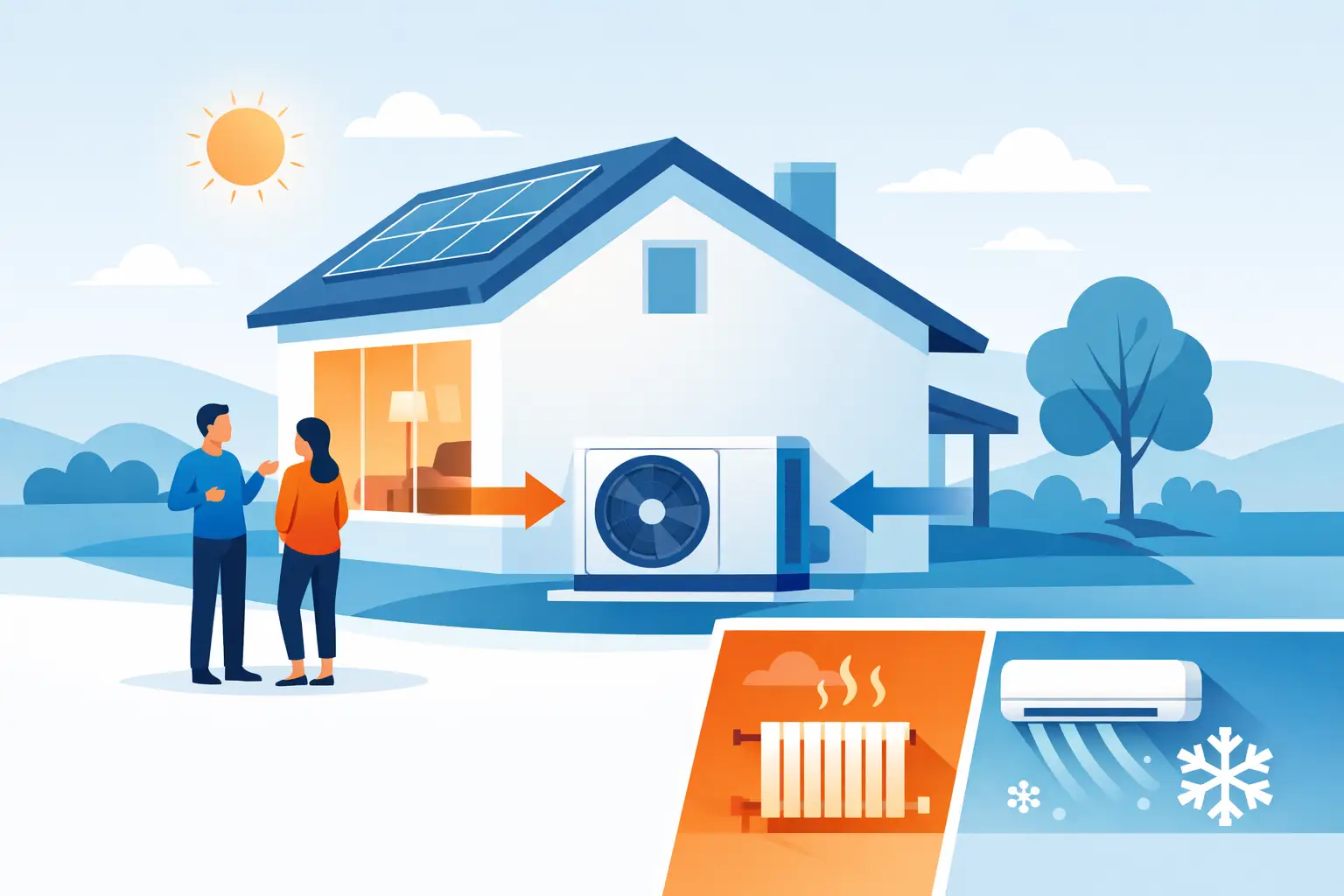
The biggest reason is efficiency. A gas boiler creates heat by burning fuel. A heat pump works differently. It moves heat from the outside air into your home, which means it can deliver more heat energy than the electricity it uses to run. That is what makes it attractive to households looking for lower energy use and a more efficient way to heat their property.
There is also the question of long-term direction. Heating in the UK is changing. More homeowners and landlords are looking at lower-carbon systems, not only because of environmental concerns, but because they want to avoid putting money into a setup that may feel dated sooner than expected. If you are already planning a major heating upgrade, it makes sense to consider whether a heat pump is the better long-term investment.
That said, replacing a boiler with a heat pump is not always a straight swap. The best results come when the whole system is assessed properly, including insulation levels, radiator sizing, hot water demand, and available outdoor space. A good installer will tell you clearly whether your home is a strong candidate, where improvements may be needed, and what you can realistically expect.
Lower running costs can be a real benefit
People often assume the main selling point is carbon reduction. That matters, but for most households the practical issue is cost. They want to know what it will do to monthly bills.
A well-designed heat pump system can reduce running costs, particularly in homes where the existing heating is older or inefficient. Because heat pumps run at lower flow temperatures and work most effectively when matched to the property, the savings depend on good design rather than the box itself. That is why survey and specification matter so much.
If your home loses heat quickly, or the system is installed without proper planning, the result may disappoint. If the property is reasonably well insulated and the system is sized correctly, a heat pump can provide steady, efficient heating without the spikes in energy use people often associate with older systems.
It is worth being honest here: not every property will see dramatic savings overnight. The outcome depends on insulation, controls, hot water usage, electricity tariffs, and how the occupants like to heat the home. But when the system is right, the numbers can work very well.
Heat pumps offer steady comfort, not just heat
One of the less obvious answers to why install a heat pump is comfort. Boilers tend to deliver short bursts of high-temperature heat. Heat pumps work more gradually and maintain a more even temperature over time. Many homeowners prefer that once they experience it.
Instead of rooms heating up quickly and then cooling down again, the home stays more stable. That can make the space feel more comfortable throughout the day, particularly in family homes where heating demand is spread across mornings, evenings, and weekends.
This approach does require a slight mindset shift. A heat pump is not usually at its best when treated like an on-off system that is constantly pushed hard and then shut down. It is designed to run efficiently and consistently. For customers who want a home that feels reliably warm rather than aggressively heated in short bursts, that can be a real advantage.
Why install a heat pump if you want to future-proof your property?
For many landlords and homeowners, this is becoming a bigger factor. Heating upgrades are expensive, and nobody wants to pay twice. If you are planning substantial works now, future-proofing matters.
A heat pump can help make a property more attractive to future buyers or tenants who are increasingly aware of energy performance and running costs. It may also support wider upgrade plans, especially if you are improving insulation, replacing old radiators, renovating a property, or moving away from an outdated heating system.
For small commercial spaces and rental properties, there is a reputational and practical angle too. More efficient heating can mean lower tenant complaints, better comfort levels, and a system that aligns more closely with where building standards are heading.
Of course, future-proofing should not mean rushing into the wrong system. It should mean choosing a setup that suits the building and will still feel like a sound decision years from now. That only happens with proper design, realistic advice, and clear pricing from the start.
The environmental benefit is real, but it is not the only reason
Some customers are strongly motivated by reducing carbon emissions. Others simply want a heating system that is efficient, dependable, and sensible to run. Both are valid.
A heat pump can reduce the carbon footprint of your home because it does not burn natural gas on site. As the electricity grid continues to shift towards lower-carbon generation, that benefit becomes more meaningful. If you are trying to make your property less reliant on fossil fuels, a heat pump is one of the clearest steps available.
Still, most people do not choose a new heating system on principle alone. They choose it because the old one is failing, they want fewer surprises, and they need confidence that the investment will pay off over time. The environmental benefit is significant, but the everyday value has to be there too.
Installation quality matters as much as the technology
This is where many articles become too simple. They make heat pumps sound universally brilliant or universally unsuitable. Neither is useful.
The truth is that a heat pump is only as good as the design and installation behind it. Correct sizing, emitter selection, cylinder setup, controls, and commissioning all affect performance. A system that is badly specified can lead to higher bills, poor hot water performance, or rooms that never feel quite right.
That is why the installer matters. You need clear advice, a proper property survey, and a specification that reflects how the building actually performs. You also need honest answers if your current radiators, pipework, or insulation will limit results. Good heating engineers do not hide that. They explain it upfront so you can make an informed decision.
At Walsh Plumbing & Heating, that kind of straightforward approach matters because customers are not looking for guesswork. They want to know what the system will do, what it will cost, and what changes may be needed before work begins.
When a heat pump may not be the right fit
A reassuring answer is not the same as a one-sided answer. There are cases where a heat pump is not yet the best option, or where extra works are needed first.
If the property has very poor insulation, limited space for equipment, or a heating distribution system that would need major upgrades, the upfront cost can rise quickly. Some households also have very high hot water demand or usage patterns that require careful planning. In those cases, the conversation should be about the whole system, not just the heat pump itself.
That does not automatically rule it out. It just means the decision should be based on proper assessment rather than assumptions. Sometimes the right answer is to improve insulation first. Sometimes it is to phase the work. Sometimes another heating option is more practical for now.
Good advice should leave you feeling clear, not pressured.
What makes the decision worthwhile
If you are still asking why install a heat pump, the answer usually comes down to a mix of priorities rather than one single benefit. You may want lower running costs, a more efficient home, reduced carbon emissions, or a system that feels like a smarter long-term investment than replacing an old boiler with another like-for-like model.
For the right property, a heat pump can deliver all of that. It can provide reliable, even heating, help reduce dependence on natural gas, and support a more future-ready home. But the keyword there is right. The property, the design, and the installer all have to line up.
That is why the best starting point is not the product brochure. It is a proper survey and a clear conversation about your home, your expectations, and your budget. When that happens, the decision becomes far simpler. You are not buying into a trend. You are choosing a heating system that is designed to work properly for years to come.
If your current system is coming to the end of its life, this is the right time to ask the question seriously and get an answer based on your property, not somebody else’s.