

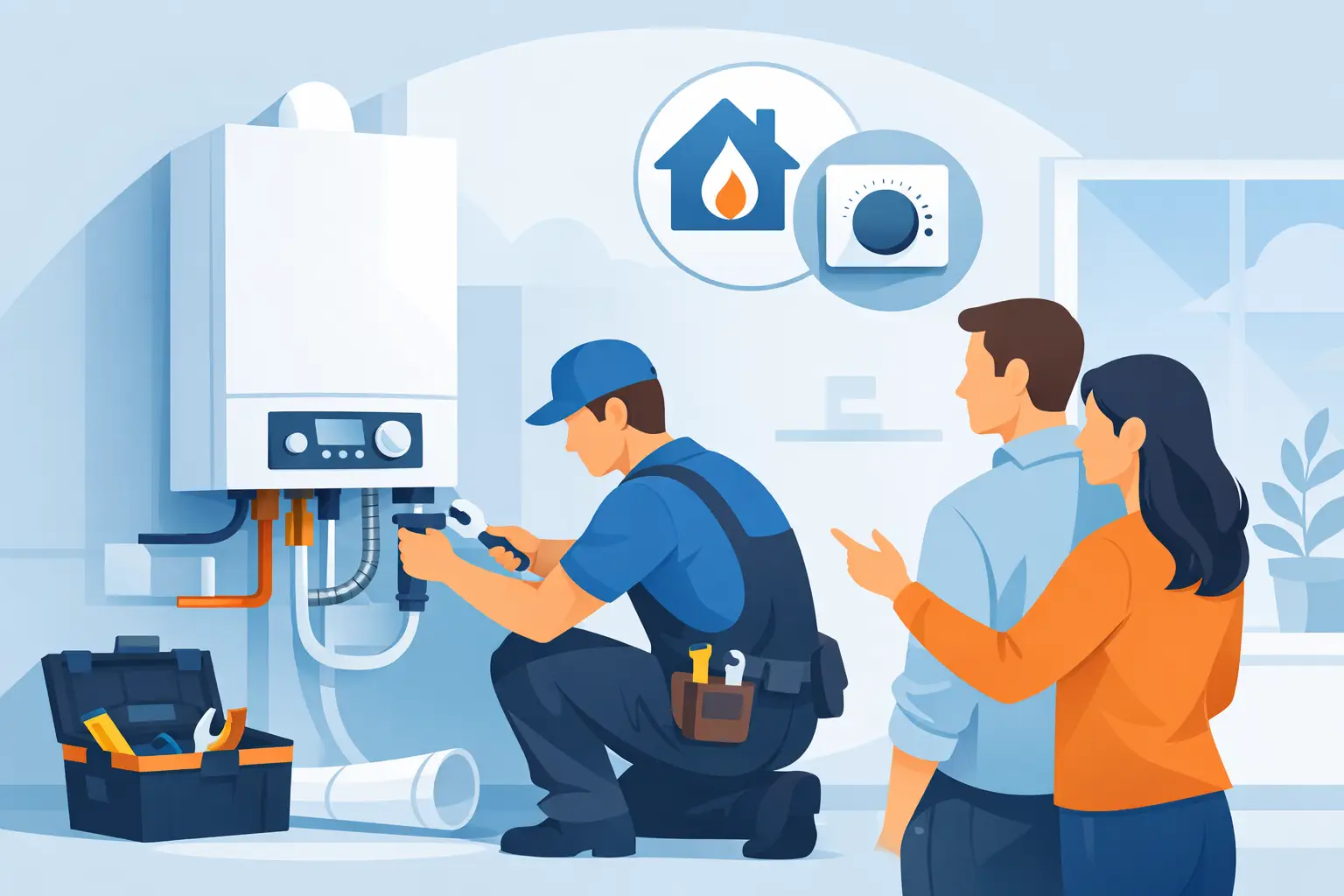
When your boiler starts locking out, making odd noises or failing to heat the house properly, replacing it quickly becomes less of a future plan and more of an urgent decision. Gas boiler installation is one of those jobs where the right advice matters just as much as the appliance itself, because a boiler that suits your home, hot water demand and budget will usually save far more stress than chasing the lowest headline price.
For most homeowners and landlords, the real concern is not just which boiler to buy. It is whether the whole process will be safe, tidy, fairly priced and completed without dragging on for days. That is why it helps to know what a proper installation should involve before you agree to anything.
What gas boiler installation should include
A professional gas boiler installation starts with a survey, not a guess. The installer should assess the size of the property, number of bathrooms, hot water demand, current heating setup, flue position and overall condition of the system. If that step is skipped, there is a real risk of ending up with a boiler that is either too small for the property or larger than you actually need.
The installation itself is about more than fitting a new box on the wall. In many homes, the work may also involve removing the old boiler, upgrading pipework, adjusting the flue, fitting a new filter, carrying out a chemical flush or system cleanse, setting up controls and commissioning the appliance correctly. A proper handover matters too. You should be shown how to use the controls, how to top up pressure if needed and what to do if a fault code appears.
If you are comparing quotes, this is where transparency counts. A cheaper quote can sometimes leave out system cleaning, controls, waste removal or even key components needed to meet current standards. Fixed pricing gives far more peace of mind because you know where you stand from the start.
Choosing the right boiler for the property
Not every boiler suits every home. This is where good advice saves money and hassle.
Combi boilers
Combi boilers are popular because they provide heating and hot water directly from the mains without a separate hot water cylinder. They are usually a strong choice for smaller to medium-sized homes with limited loft or airing cupboard space. They can also simplify the system, which many homeowners like.
That said, a combi is not automatically the best answer for every property. If two or three showers are likely to run at once, or if water pressure is poor, a combi may not deliver the performance you want.
System boilers
A system boiler works with a hot water cylinder and is often better suited to homes with higher hot water demand. If your household uses a lot of hot water across multiple bathrooms, this setup can make more sense. It takes more space than a combi, but the trade-off can be stronger overall performance.
Conventional boilers
Conventional boilers, sometimes called regular boilers, are commonly found in older properties with traditional heating systems. In some cases, keeping a similar layout is the most practical route, especially where the existing pipework and water storage arrangement already suit the building.
This is why a proper recommendation should never be one-size-fits-all. The best boiler is the one that matches how the property is actually used.
How long installation usually takes
A straightforward like-for-like gas boiler installation can often be completed in a day. If the boiler is being moved to a new location, if the system needs significant upgrades, or if extra work is required on the flue or controls, it may take longer.
Timing also depends on the condition of the existing system. Older heating systems sometimes reveal issues once the job begins, such as poor pipework, sludge in the radiators or inadequate drainage arrangements for the condensate pipe. That does not mean the installer has done anything wrong. It means the survey and quote need to be clear about what is included and what could affect the final timescale.
For customers, the key point is simple. Speed matters, but not at the expense of doing the job properly. A rushed boiler replacement can create years of avoidable problems.
Safety, compliance and why accreditation matters
Gas work is not an area for shortcuts. Any engineer carrying out gas boiler installation must be Gas Safe registered and qualified to work on the specific type of appliance being fitted. That is the legal baseline, not an optional extra.
Beyond that, manufacturer accreditations can be a good sign that the installer has completed additional training and meets certain standards for fitting and commissioning boilers correctly. This can matter not only for workmanship but also for access to longer guarantees on selected models.
You should also expect the installation to include testing, commissioning and registration of the boiler in line with regulations. The benchmark paperwork should be completed properly, and the system should be checked for safe operation before handover. If an installer is vague about that side of the job, it is a warning sign.
What affects the cost of gas boiler installation
There is no single price that applies to every property, and anyone suggesting otherwise is oversimplifying the job. Boiler installation costs vary depending on the boiler type, output, brand, controls, system condition and complexity of the work.
A straightforward combi swap is usually less expensive than converting from a conventional boiler to a combi. Moving the boiler to a new room, upgrading the gas supply pipe, replacing old controls or carrying out extensive flushing can all increase the cost. In some homes, those extras are not negotiable if the system is to work safely and efficiently.
This is where clear quotations make a big difference. You want to know exactly what is included, whether disposal of the old boiler is covered, what guarantee comes with the installation and whether there are any likely additional costs. You pay what you are quoted. No hidden costs. That level of clarity removes a lot of the stress from a high-value decision.
Why controls and system protection matter
A new boiler will only perform at its best if the rest of the system supports it. Modern heating controls can improve comfort and reduce waste by allowing better control over when and where heat is used. In practical terms, that can mean programmable room thermostats, smart controls or zoning where appropriate.
System protection matters just as much. Magnetic filters help catch debris before it reaches the boiler, and system cleansing helps remove sludge that can damage components and reduce efficiency. Some customers see these items as optional add-ons, but in many installations they are part of protecting the investment you have just made.
A quality installer will explain which upgrades are genuinely worthwhile for your system and which are not essential. Honest advice builds trust far better than pushing extras you do not need.
What a good installation experience feels like
Most people only replace a boiler a handful of times, so the process can feel daunting. A good experience is usually very straightforward. The quote is clear. The survey is thorough. The engineers arrive when expected, protect the work area, keep the property tidy and explain what is happening in plain English.
Communication matters more than many people realise. If there is a delay, a change or an unexpected issue, you should be told promptly. If the installer cannot explain your options clearly, that tends to show up later in the job as well.
This is why many customers choose a company with strong reviews, recognised accreditations and a track record of handling boiler replacement efficiently. Walsh Plumbing & Heating works with homeowners, landlords and small businesses who want the process handled properly from quote to handover, with the reassurance of accredited engineers, transparent pricing and guarantees that support long-term reliability.
Gas boiler installation for landlords and small businesses
Landlords and small commercial property operators often have slightly different priorities. Speed is still important, but so are documentation, tenant communication, access arrangements and keeping disruption to a minimum. A delayed installation can affect occupancy, comfort and compliance planning.
In these cases, reliability often matters more than chasing the cheapest quote. A boiler that fails repeatedly costs far more in call-outs, complaints and inconvenience than one that has been correctly sized and installed from the start. Choosing a responsive contractor with good aftercare can save a great deal of time over the life of the system.
When replacement is better than repair
It depends on the age of the boiler, the availability of parts and the pattern of faults. If a newer boiler has a single, isolated issue, repair is often the sensible route. If an older boiler is becoming unreliable, parts are difficult to source and efficiency is poor, replacement may be the more cost-effective decision.
Many customers reach this point after paying for repeated repairs over two or three winters. At that stage, a new installation is not just about avoiding breakdowns. It is about restoring confidence that the heating and hot water will work when needed.
If you are weighing up your options, focus on the whole picture rather than the appliance price alone. The right gas boiler installation should leave you with a system that is safe, efficient, properly explained and built to last – and that peace of mind is usually what people value most once the job is done.
