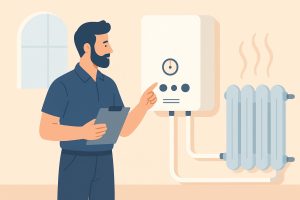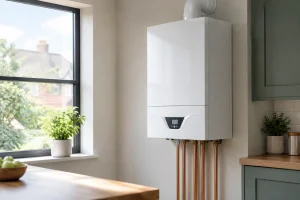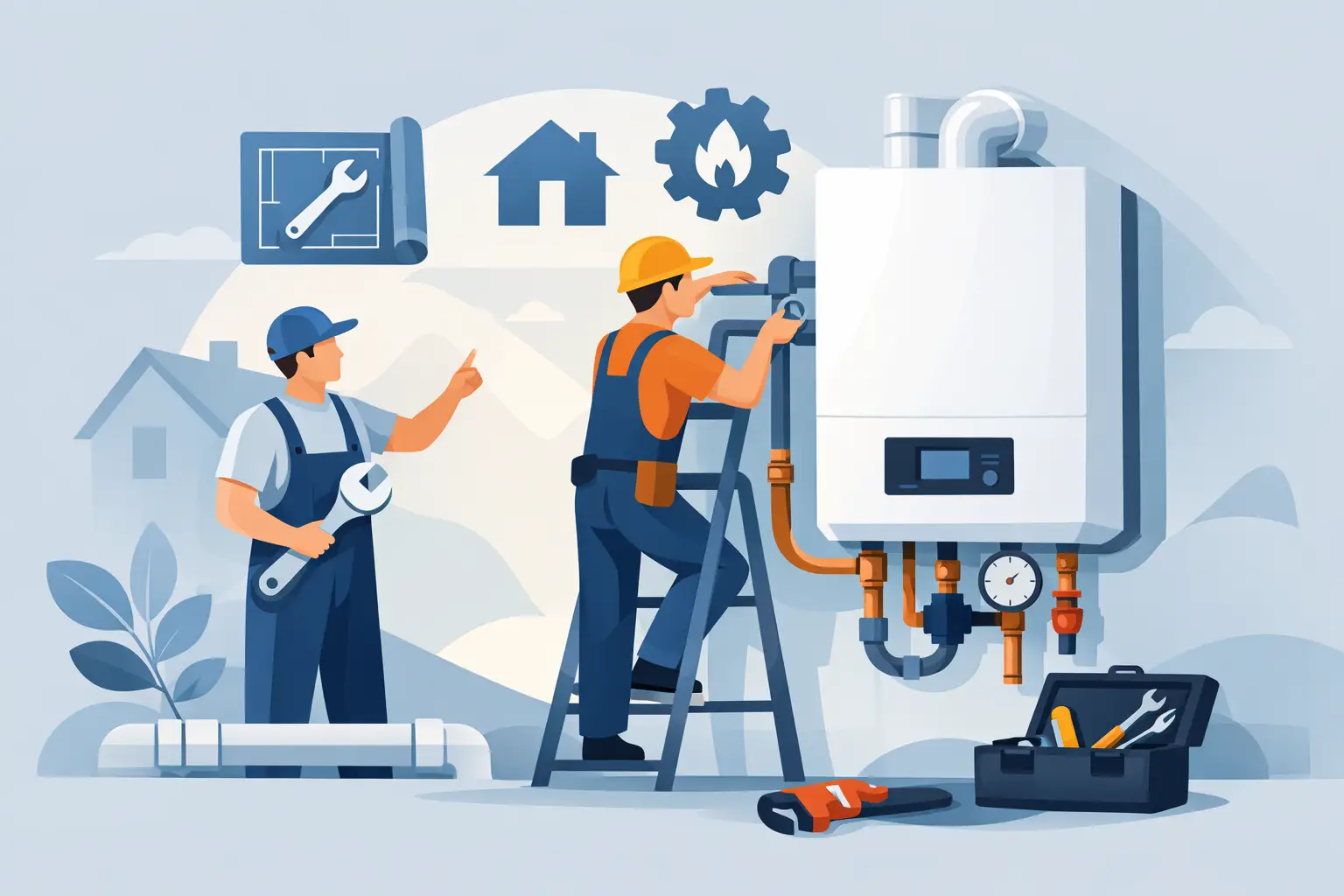
A boiler replacement usually becomes urgent at exactly the wrong time – when the heating has failed, hot water is unreliable, or repair costs are starting to pile up. If you are wondering what is involved in installing a new boiler, the short answer is that it is more than swapping one box for another. A proper installation starts with choosing the right system, checking the pipework and controls, and making sure the finished setup is safe, efficient and built to last.
That matters because the quality of the installation has a direct effect on reliability, energy use and warranty cover. A cheaper or rushed job can look fine on day one but cause poor pressure, noisy operation, repeated faults or higher running costs later. For homeowners, landlords and small businesses, the goal is not just getting heat back on. It is getting a system that works properly without hidden problems.
What is involved in installing a new boiler before fitting starts?
The first stage is the survey and quotation. This is where an engineer assesses your property, current heating system and hot water demand. It sounds straightforward, but this step decides whether the new boiler will actually suit the building and the people using it.
The engineer will usually look at the size of the property, the number of bathrooms, the type and age of the existing system, flue position, petrol supply, condensate route and the condition of radiators and pipework. If your current boiler is undersized, oversized or poorly located, that should be picked up here. This is also the point where controls, filter protection and system upgrades are discussed.
A good quote should be clear about what is included. That means the boiler model, labour, parts, flue components, system cleansing if needed, controls, commissioning and disposal of the old unit. You should know exactly what you are paying for. Fixed pricing matters because boiler replacement is stressful enough without unexpected extras appearing halfway through.
Choosing the right boiler and system type
Not every home needs the same type of boiler. In many properties, the decision comes down to a combi boiler, a system boiler or a regular boiler. The right choice depends on space, water demand and the layout of the existing heating system.
A combi boiler is often popular because it provides heating and hot water directly from the mains, without a separate hot water cylinder. That can save space and simplify the system. It suits many smaller to medium-sized homes, especially those with modest hot water demand.
A system boiler may be better if the property has higher hot water usage or multiple bathrooms. It works with a cylinder, which allows stored hot water and can provide better performance when several outlets are used. A regular boiler is still the right fit in some older properties, especially where an existing conventional setup is already in place.
This is where experience counts. The most powerful boiler is not automatically the best one. An oversized unit can cycle inefficiently, while an undersized one may struggle to keep up. The right recommendation should balance performance, efficiency, budget and future reliability.
What happens on installation day?
Once the specification is agreed, the physical installation can begin. In a like-for-like replacement, where the new boiler is going in roughly the same place and the system type is not changing, the work is usually more straightforward. If the boiler is being relocated or the system is being converted, the job becomes more involved and may take longer.
The old boiler is isolated, drained down and removed safely. Any redundant parts, such as an old hot water cylinder or tanks in the loft, may also need to come out if the system is changing. The engineer then prepares the area for the new boiler, which can include adjusting pipework, upgrading valves, fitting a new flue and providing a suitable condensate drain.
Pipework alterations are common. Even if the old boiler served the property well for years, the new model may have different connection points, flow requirements or flue clearances. Petrol supply may also need to be checked and upgraded if the pipe size is not adequate for the new appliance.
For customers, one of the biggest worries is disruption. A professional installation should be organised, tidy and well communicated from the start. Floors and work areas should be protected, old materials removed responsibly and the property left clean at the end of the job.
System cleaning, filters and controls
One part of boiler installation that is often overlooked is system water quality. If sludge, rust and debris are left in the heating system, they can damage a brand-new boiler from the inside. That is why cleaning the system is such an important part of the process.
Depending on the condition of the existing system, the engineer may carry out a chemical flush or recommend a more intensive clean. This helps remove contamination before the new boiler is commissioned. In many cases, a magnetic filter is also fitted to capture debris and help protect the boiler over time.
Modern controls are another major part of the installation. A new boiler should not simply be paired with outdated controls if better efficiency and comfort are possible. Upgraded thermostats, programmable timers and smart controls can all improve how the system runs. They also give you better control over heating schedules, room temperature and energy use.
There is a balance to strike here. Some households want simple controls that are easy to use. Others want app-based access and zoning. The best setup is the one that fits how you actually live, not just the one with the most features.
Safety checks, commissioning and registration
Once the boiler is fitted, the job is not finished until it has been tested properly. The installation must be commissioned in line with manufacturer instructions and current regulations. This includes checking petrol tightness, burner performance, pressure, ventilation where relevant, flue integrity and safe operation of the appliance and controls.
The system then needs to be filled, vented and balanced so heat is distributed correctly through the radiators or heating circuits. If this stage is rushed, you may end up with cold spots, noise in the system or inefficient performance.
The boiler should also be registered with the manufacturer to activate the warranty, and the installation must be notified through the appropriate competent person scheme where required. You should receive the relevant paperwork, including the benchmark commissioning record and user guidance.
For landlords and business owners, documentation is especially important. A boiler installation is not just a practical job. It is also a compliance and asset-protection issue. Proper records help protect your investment and make future servicing simpler.
How long does a new boiler installation take?
It depends on the job. A straightforward boiler swap can often be completed within a day. If the installation involves moving the boiler, changing from a regular boiler to a combi, removing tanks or making significant pipework changes, it may take two days or more.
Access can also affect timing. Tight cupboards, difficult flue routes and older properties with dated pipework can all add complexity. That is why realistic timescales matter. It is better to be given an honest estimate at the start than an over-promised one that leads to delays.
Costs, guarantees and the value of doing it properly
Boiler installation costs vary because the boiler itself is only part of the picture. Labour, controls, filters, flue components, system cleaning and any upgrades to petrol or condensate pipework all affect the final price. A very low quote can sometimes mean important elements have been left out.
That does not mean the most expensive quote is automatically best, but value matters more than headline price. You are paying for safe installation, the correct specification, proper commissioning and support if something goes wrong. Good guarantees also add reassurance, especially when backed by accredited installation standards.
For many customers, finance can make the decision easier. Spreading the cost can help you replace a failing boiler before it becomes a bigger problem, rather than waiting through another winter of unreliable heating.
What is involved in installing a new boiler if you want fewer problems later?
The best boiler installations are planned with the future in mind. That means choosing a boiler that suits the property, protecting it with clean system water and a filter, setting it up with effective controls and making sure annual servicing is straightforward.
It also means using an installer who communicates clearly, turns up when expected and stands behind the work. That level of service is what makes the process feel manageable rather than stressful. For customers across Hertfordshire and surrounding areas, that peace of mind is often just as important as the boiler itself.
If your current boiler is becoming unreliable, the right next step is not guessing which model to buy online or choosing on price alone. It is getting clear advice, a fixed quote and an installation that is done properly first time. A new boiler should solve a problem, not create another one later.