A cylinder is easy to overlook until the shower runs lukewarm, the hot water pressure feels disappointing, or a replacement is needed at short notice. When comparing a vented vs unvented cylinder, the right choice comes down to your water pressure, available space, hot water demand and the type of heating system you have.
Both store hot water for baths, showers and taps. The key difference is how they are fed and where their pressure comes from. One can be a reliable, familiar choice in an older property. The other can transform the performance of a home with good mains pressure. Neither is automatically better for every household.
Vented vs unvented cylinder: the main difference
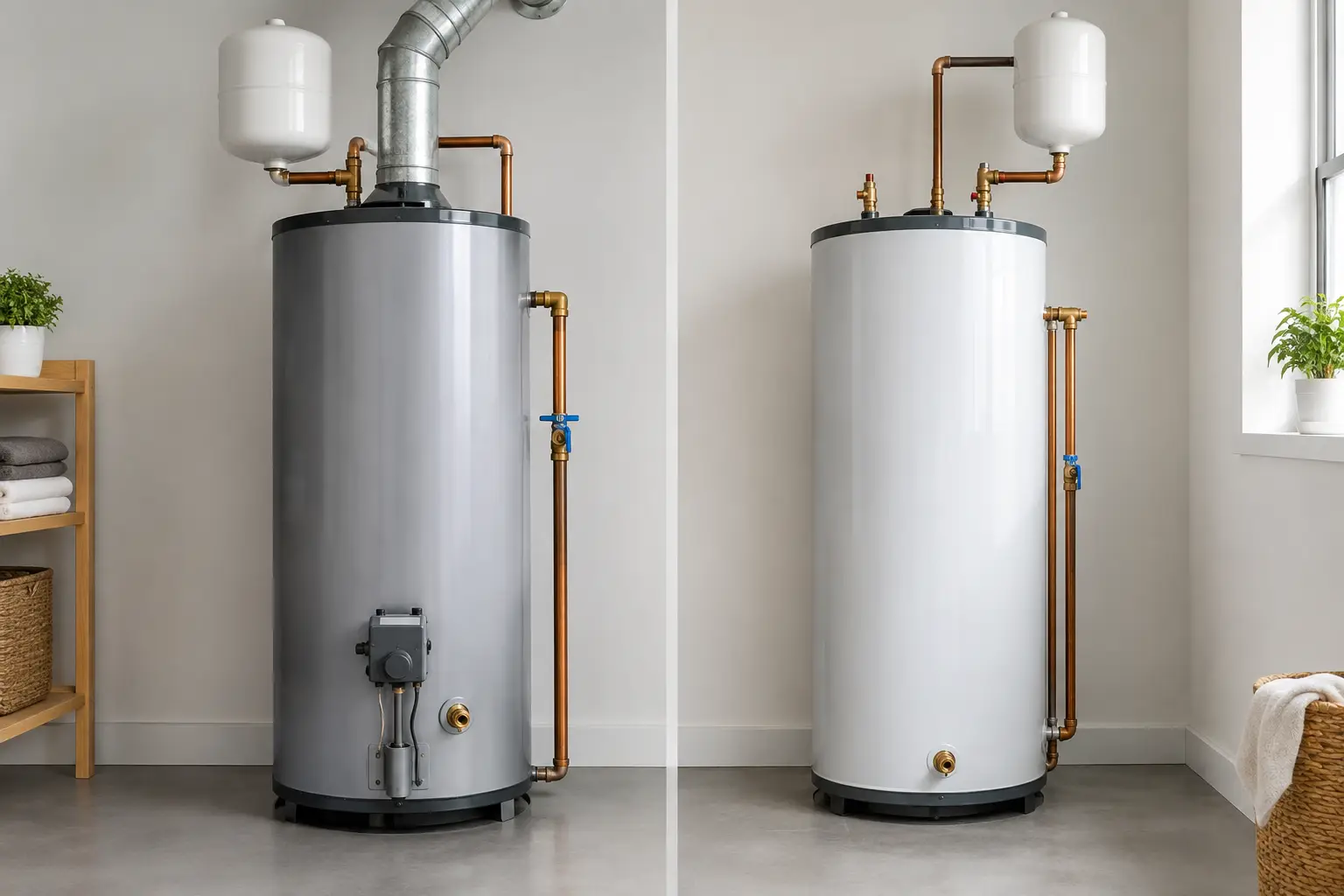
A vented cylinder is supplied by a cold-water storage cistern, usually located in the loft. The cylinder itself is normally kept in an airing cupboard, and the stored water is vented through a pipe that rises over the feed tank. This is a traditional arrangement found in many UK homes.
An unvented cylinder is fed directly from the mains water supply. It is a sealed, pressurised system, so it can deliver hot water at mains pressure to showers and taps. It does not usually need a cold-water tank in the loft, although it does require specific safety controls and correctly designed pipework.
That difference affects more than the cupboard where the cylinder sits. It influences shower performance, installation cost, maintenance requirements and what happens when several people need hot water at once.
When a vented cylinder makes sense
A vented cylinder can still be a sensible option, particularly where mains water pressure or flow rate is limited. Because it is supplied from a loft tank, it does not depend on the incoming mains supply in the same way as an unvented system.
This can work well in older properties with existing gravity-fed pipework, or in homes where replacing all the pipework would add unnecessary cost and disruption. A vented cylinder is also generally simpler in design, with fewer specialist controls than an unvented installation.
However, the pressure at showers and taps is determined by the height of the cold-water tank above them. If the tank is only slightly higher than the bathroom, the flow can be modest. Many homeowners with a vented system use a shower pump to improve performance, but this adds another component that needs to be correctly selected and maintained.
A vented setup also uses valuable loft space and relies on the condition of the cold-water cistern. Older tanks can suffer from poor insulation, damaged lids, debris or ageing fittings. If you are already planning a major heating upgrade, it is worth considering whether retaining the tank still suits the property.
Why homeowners choose an unvented cylinder
The main attraction of an unvented cylinder is pressure. Where the mains supply is strong enough, it can provide powerful showers and better flow at hot taps without a shower pump. This is especially useful in busy family homes with more than one bathroom.
An unvented cylinder can also free up loft space by removing the need for a cold-water storage tank. That may make a loft conversion easier, reduce the risk of a tank leak, and simplify the layout of the home.
It is not just about strong showers, though. A correctly sized unvented cylinder holds a substantial volume of hot water, allowing several outlets to be used close together. For example, one person may be showering while another runs a bath or uses the kitchen tap. The system still has limits, but the experience is usually more consistent than a low-pressure gravity-fed arrangement.
There are trade-offs. Unvented cylinders cost more to install than a basic vented replacement, and they must be fitted by an engineer with the appropriate unvented hot water qualification. They include safety devices such as expansion controls, temperature and pressure relief valves, and a discharge pipe. These are not optional extras – they are essential parts of a safe installation.
Check your mains supply before deciding
An unvented cylinder only performs as well as the mains supply feeding it. High static pressure alone is not enough. Your property also needs sufficient flow rate, particularly if you want two showers or multiple taps to run at the same time.
A professional survey should assess both figures, alongside the size and condition of the incoming water main. In some cases, restrictions in old pipework mean that an unvented cylinder will not deliver the improvement a homeowner expects. In others, upgrading a section of pipework may make a significant difference.
This is why choosing solely on the promise of high-pressure hot water can lead to disappointment. A proper assessment gives you a clear answer before you commit to the cost of a new cylinder.
Cylinder size matters as much as cylinder type
Whether you choose vented or unvented, the cylinder must be sized around how your household uses hot water. A couple in a one-bathroom home may be comfortable with a smaller cylinder. A family with two bathrooms, regular baths and morning shower queues will need more stored water.
Oversizing is not always helpful. A larger cylinder costs more, takes up more space and can increase standing heat loss, even with modern insulation. Undersizing, on the other hand, means hot water can run out before everyone has finished.
Your engineer should consider the number of bathrooms, occupants, shower types and your usual routine. A rain shower can use a considerable volume of water, while a water-saving showerhead changes the calculation. If you are planning an extension or loft conversion, allow for future demand rather than selecting a cylinder only for today’s household.
Boiler and heat pump compatibility
Most cylinders are indirect, meaning the stored hot water is heated through a coil connected to a gas boiler or another heat source. A modern system or regular boiler can work with either vented or unvented cylinders when the system is designed correctly.
If you are fitting an air source heat pump, cylinder specification becomes particularly important. Heat pumps usually run at lower flow temperatures than gas boilers, so they need a cylinder with a larger heat-exchanger coil to transfer heat efficiently. A standard boiler cylinder may not be suitable, even if it looks similar from the outside.
For homes retaining a gas boiler, it is also worth checking the cylinder’s recovery time – how quickly it reheats after hot water has been used. A well-matched boiler and cylinder should provide dependable hot water without excessive waiting between showers.
Installation, servicing and safety
A vented-cylinder replacement can sometimes be straightforward where the existing system is in good condition. Yet old systems often reveal issues once work begins, including corroded pipework, failing tanks or inadequate insulation. A clear survey and written quote help avoid surprises.
Unvented cylinders require more specialist work. The installation must include correctly routed discharge pipework, suitable controls and commissioning in line with the relevant safety requirements. The engineer should provide the appropriate certification and explain how the system operates.
Unvented systems should also be serviced annually. This checks the safety devices, expansion vessel and controls, helping to protect both the system and your household. It is a small but necessary part of owning a pressurised hot-water system.
Walsh Plumbing & Heating can assess the condition of your existing cylinder, check your water supply and explain the realistic options in plain English. You should know what is being fitted, why it is suitable and what the quoted price includes before work begins.
Which cylinder is right for your home?
A vented cylinder may be the better choice if your mains supply is weak, you want to retain a traditional gravity-fed arrangement, or you are working within a tighter replacement budget. It can be dependable and practical when properly maintained.
An unvented cylinder is often the stronger option where mains pressure and flow are good, especially for households that value powerful showers, multiple bathrooms and a tank-free loft. It comes with a higher upfront cost and specific servicing needs, but it can offer a noticeable improvement in everyday comfort.
The most useful next step is not to guess from a brochure. Arrange a survey that looks at your water pressure, pipework, heat source, household demand and available space. A properly specified cylinder should quietly do its job for years – giving you hot water when you need it, without turning every shower into a compromise.