A heating system rarely fails at a convenient time. It is often a cold morning, a busy week, or just as a tenant is due to move in. This guide to upgrading old heating systems is designed to make the decision clearer before an ageing boiler becomes an emergency – and to help you invest in reliable warmth, manageable running costs and long-term peace of mind.
For most homes, the right answer is not simply buying the newest boiler available. Your property’s heat loss, hot water demand, insulation, radiator condition and budget all matter. A proper survey turns a stressful replacement into a considered upgrade.
When an old heating system is ready to be upgraded
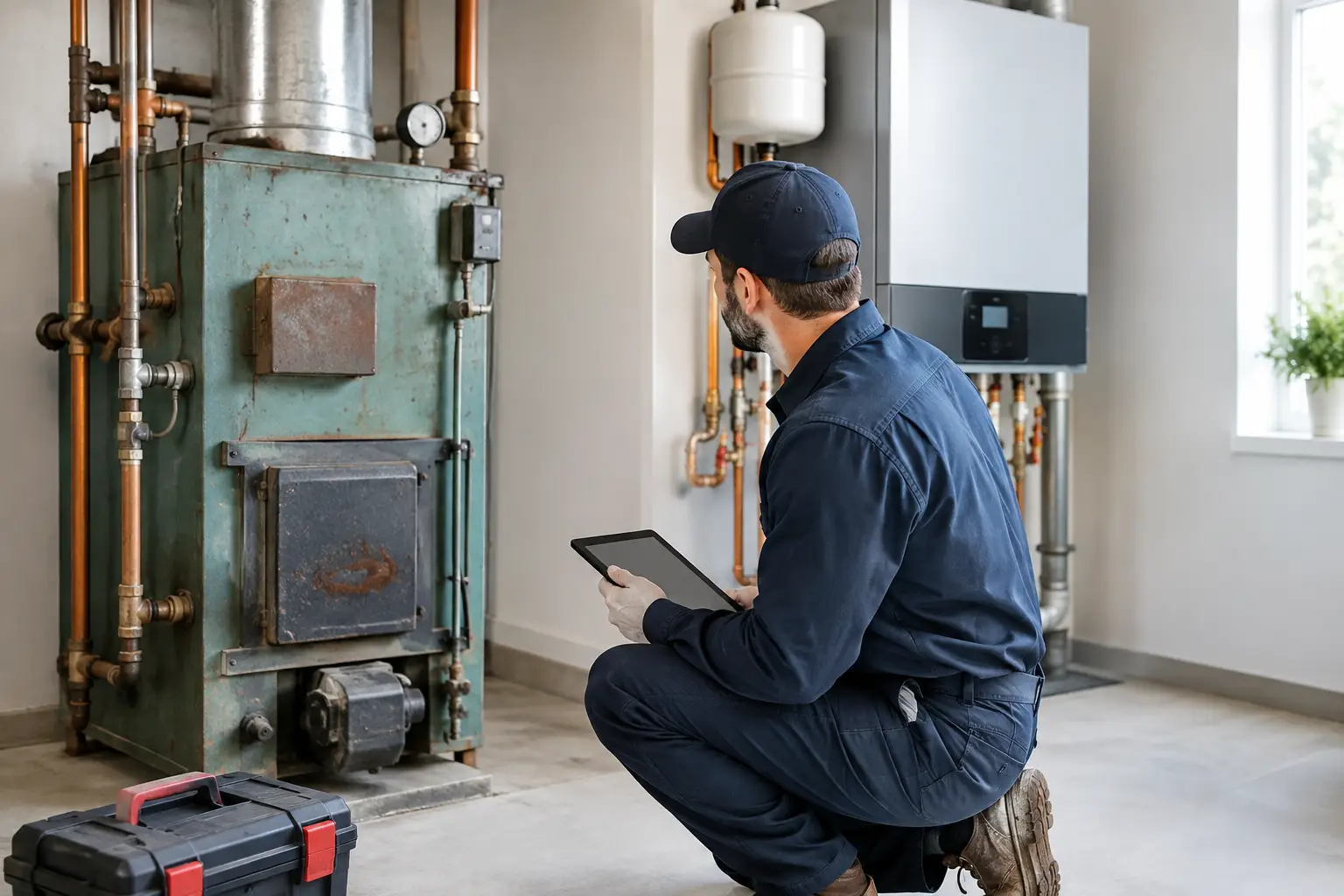
A boiler can sometimes be repaired, particularly where the fault is isolated and replacement parts are readily available. But repeated breakdowns, rising repair bills and unreliable hot water are clear signs that the system may be reaching the end of its useful life.
Age is part of the picture. Many boilers become less efficient and more difficult to maintain after 10 to 15 years, especially if servicing has been missed or the system water has not been protected. If your boiler is noisy, takes a long time to heat the home, loses pressure regularly or produces inconsistent hot water, it is worth arranging an assessment rather than waiting for total failure.
Older systems may also have problems beyond the boiler itself. Sludge in radiators, tired pumps, faulty controls, undersized pipework and poor zoning can all waste energy. Replacing only one component without addressing the wider system can limit the benefit of your investment.
Start with a heating survey, not a guess
The most dependable upgrades begin with an engineer looking at the home as a whole. A survey should establish the size of the property, number of bathrooms, existing boiler type, radiator output, insulation levels and how your household actually uses heat and hot water.
A family using two showers at the same time has different needs from a couple in a compact flat. Equally, a small commercial premises may need heating at specific hours and little hot water, while a landlord may prioritise reliability, compliance and straightforward controls for tenants.
This is also the point to discuss practical matters: boiler location, flue position, condensate drainage, electrical supply and access for installation. Clear planning avoids surprises on installation day and supports an accurate fixed quote. You should know what is included before work starts. No hidden costs, no vague allowances.
Choosing between a new gas boiler and a heat pump
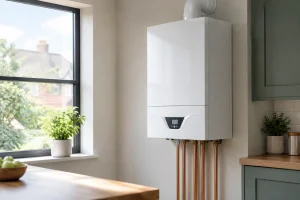
For many Hertfordshire homes, a modern high-efficiency gas boiler remains a practical and cost-effective replacement. Modern condensing boilers recover more heat from the fuel they use than older models, while better controls help prevent the home being heated when nobody needs it.
A combi boiler provides heating and hot water without a separate cylinder, making it a popular choice where space is limited and hot water demand is moderate. A system boiler works with a hot water cylinder and can be better suited to larger homes, particularly those with more than one bathroom. Conventional boilers may remain appropriate in some properties with existing tank-and-cylinder arrangements, though the best route depends on the condition of the system and your future plans.
An air source heat pump is another option, particularly for households looking to reduce reliance on gas. Heat pumps work best when a property is suitably insulated and the heating system is designed for lower flow temperatures. That may mean larger radiators, upgraded pipework or improvements to insulation and draught-proofing.
A heat pump is not automatically the right choice for every property. Installation costs, available outdoor space, electrical requirements and the work needed inside the home all need consideration. However, where the property is ready, it can offer efficient low-carbon heating and a sensible long-term route away from a fossil-fuel system.
The key is not to force a technology to fit. An experienced heating engineer should explain the benefits, limitations and likely work involved for your specific home.
Do not overlook radiators, controls and water quality
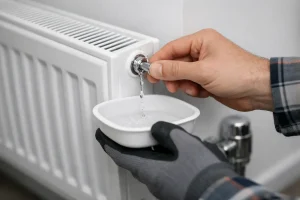
A new heat source will only perform as well as the system connected to it. If some rooms are always cold, radiators need frequent bleeding or pipes make banging noises, the system needs attention as part of the upgrade.
Before fitting a new boiler or heat pump, engineers may recommend a chemical clean or powerflush where appropriate, followed by inhibitor to protect against corrosion. A magnetic filter can capture circulating debris before it reaches sensitive components. These measures support efficiency and help protect the manufacturer guarantee.
Controls deserve just as much attention. A programmable thermostat lets you set heating times around your routine, while thermostatic radiator valves give individual rooms more control. Smart controls can be useful if your schedule changes often, but simple, well-set controls are often more valuable than technology that nobody feels confident using.
Zoning can also make a meaningful difference in larger homes. Separating upstairs and downstairs heating, for example, allows you to heat the areas in use rather than treating the whole property as one zone.
Understanding the cost of a heating upgrade
The cost of upgrading depends on far more than the appliance chosen. Moving a boiler, converting from one system type to another, fitting a cylinder, replacing radiators or installing a heat pump can all affect the final price. Access, flue work, electrical upgrades and repairs to existing pipework also need to be allowed for.
A cheaper quote is not always better value if it omits essential protection, commissioning, controls or system improvements. Ask whether the price includes removal of the old appliance, flushing or cleaning where needed, condensate work, registration, certification and a demonstration of the new controls.
A clear written quote helps you compare like for like. It should explain the proposed equipment, scope of work, guarantee length and anything that may change the price. Finance options, including 0% interest plans where available, can make a planned replacement easier to budget for, but it remains wise to focus on lifetime reliability rather than the lowest monthly figure alone.
Why installation quality matters as much as the equipment
Even an excellent boiler can disappoint if it is incorrectly sized, poorly commissioned or connected to a dirty system. Correct installation affects comfort, fuel use, safety and the life of the appliance.
For gas work, always use a Gas Safe registered engineer. Manufacturer-accredited installers can also offer valuable product knowledge and, in some cases, extended guarantees when the installation meets the required standard. Keep your paperwork, service records and guarantee details somewhere safe from day one.
The installation itself should be organised to minimise disruption. Your engineer should explain when heating or hot water will be unavailable, protect the work area, test the system thoroughly and leave the property tidy. Before they leave, you should understand how to adjust heating times, pressure, temperature settings and what to do if you notice a fault.
Walsh Plumbing & Heating approaches replacements with that same practical focus: a clear survey, professional installation and support after the work is complete.
Plan for servicing after the upgrade
A new heating system is not a fit-and-forget purchase. Annual servicing helps keep a gas boiler safe, efficient and within the conditions of its manufacturer guarantee. It can also identify small issues before they become a no-heating callout.
Landlords have additional legal duties around gas safety, including arranging the required annual checks and keeping the appropriate records. For homeowners, regular servicing is still one of the simplest ways to protect a major investment and avoid preventable breakdowns.
If your boiler is becoming unreliable, act while you still have choices. A planned survey gives you time to compare the right options, arrange finance if needed and choose an installation date that suits your household. The result should not just be a warmer home this winter, but a heating system you can depend on for years to come.