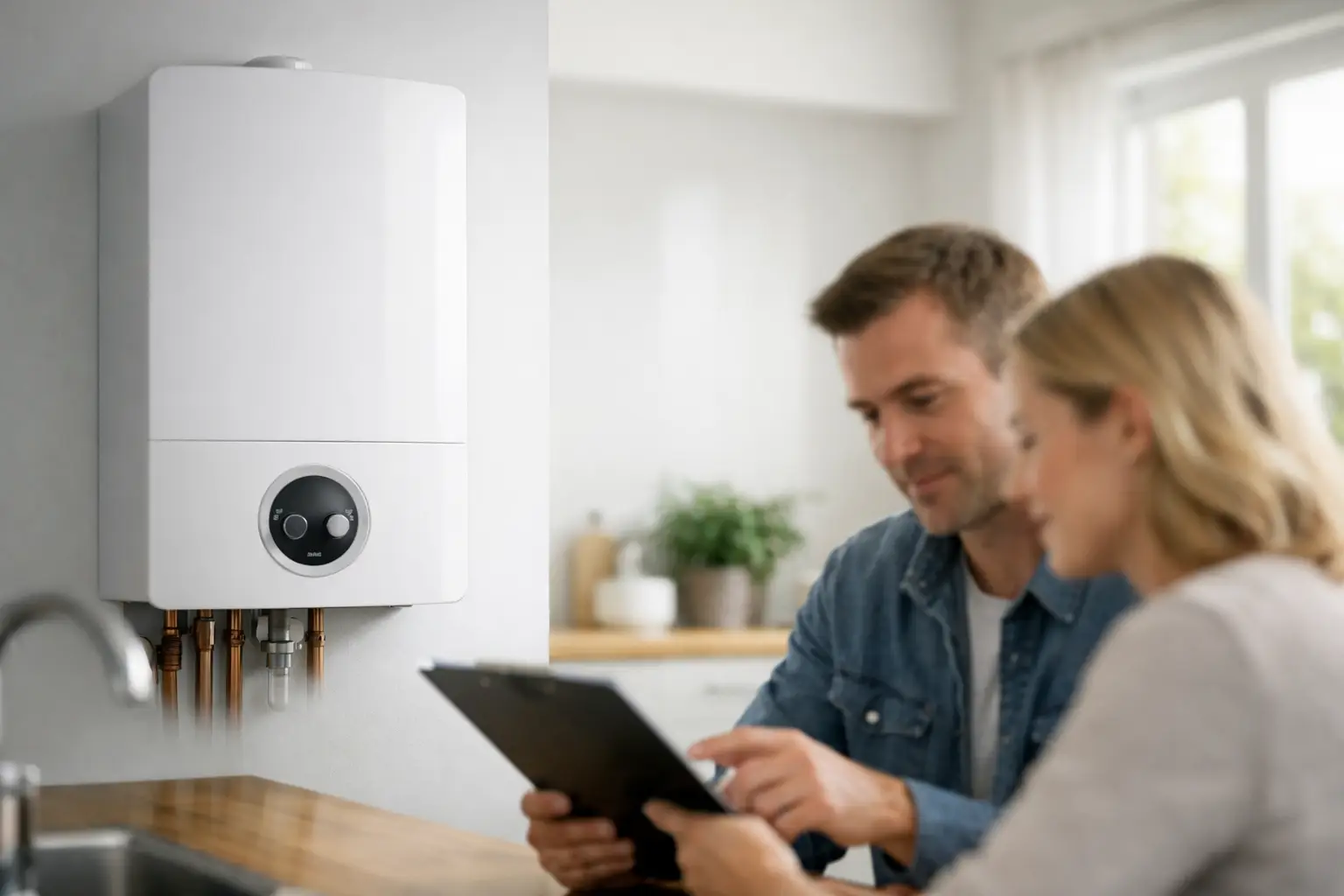
A boiler replacement is not a purchase most households plan for. It usually follows an expensive repair, unreliable hot water or a boiler that has finally stopped working. This Worcester boiler review UK looks at what you can realistically expect from the brand, where it represents good value, and when another option may suit your property better.
Worcester Bosch is one of the best-known boiler manufacturers in the UK. Its popularity is built on a broad product range, strong installer support and a long-standing reputation for dependable domestic heating. That does not mean every Worcester boiler is automatically the right choice. The correct model depends on your home’s hot water demand, existing pipework, heating controls and budget.
Worcester boiler review UK: the overall verdict
For many homes, a Worcester boiler is a sensible, reliable choice. The brand produces efficient modern condensing boilers across combi, system and regular boiler formats, so there is usually a suitable option for anything from a compact flat to a larger family house.
The strongest point is reassurance. Worcester boilers are familiar to qualified engineers, replacement parts are widely available, and the manufacturer’s extended guarantees can offer valuable protection when the boiler is installed by an accredited installer and registered correctly. For homeowners who want a recognised name, straightforward controls and solid aftercare potential, that matters.
The trade-off is price. Worcester boilers often sit towards the higher end of the market when compared with some alternatives. A lower initial price from another manufacturer is not always poor value, but it is worth comparing the whole installation package rather than the boiler box alone. A correctly sized boiler, clean system water, suitable controls and a proper commissioning process will have more influence on reliability than a badge on the casing.
Reliability and build quality
No boiler is maintenance-free, and even a premium model can develop faults if the system is dirty, poorly installed or never serviced. However, Worcester Bosch has a strong reputation among UK homeowners for producing boilers designed for regular, long-term domestic use.
Modern Worcester boilers use condensing technology to recover heat that older boilers lose through the flue. They are designed to operate efficiently when paired with correctly balanced radiators and effective controls. Their displays and diagnostic codes can also help an engineer identify faults more quickly than on older, less sophisticated appliances.
Reliability comes down to the full heating system. Sludge and debris can restrict circulation and damage components. Old radiators, undersized pipework or a poorly set-up system can leave rooms cold and make a new boiler work harder than it should. Before installation, a good engineer should assess the system rather than simply fitting the same output boiler you had before.
A magnetic filter, correct inhibitor levels and an annual service are sensible protections for any boiler. They are particularly worthwhile when a new appliance is being connected to an older central-heating system.
Are Worcester boilers easy to repair?
In general, yes. Worcester is a widely installed brand, which means many Gas Safe engineers are familiar with its product range and common fault-finding processes. Availability of replacement parts can be a practical advantage, particularly when you need a repair during colder weather.
That said, repair costs vary according to the fault, boiler age and whether the part is covered by a manufacturer guarantee. If a boiler is approaching the end of its expected working life and needs a major component, replacing it can sometimes make more financial sense than continuing to repair it. An engineer should explain both options clearly, including the likely cost and expected benefit of each.
Efficiency, controls and running costs
A new Worcester condensing boiler can be considerably more efficient than an older non-condensing model. However, a high efficiency rating on paper does not guarantee the lowest possible bills. Your actual gas use is affected by insulation, draughts, household routines, hot water demand and the temperature settings you use.
The boiler should be sized for demand, not chosen on the assumption that bigger is better. An oversized combi boiler may be useful in a home with more than one shower running at once, but it can be unnecessary for a smaller property with one bathroom. Conversely, fitting a modest-output boiler in a busy family home can lead to disappointing hot water flow.
Controls matter just as much. A programmable thermostat allows you to set heating times around your routine, while smart controls can offer more flexibility from a phone or tablet. Weather compensation and load compensation controls can help the boiler adjust its output more precisely. The right option depends on the boiler model, the property and how much control you want over your heating.
If you are replacing a boiler, it is worth asking whether your existing controls are compatible and whether upgrading them would improve comfort and efficiency. A new boiler connected to an old, basic timer may work perfectly well, but it may not make the most of the technology available.
Combi, system or regular: which Worcester boiler type?
Worcester offers the main boiler types used in UK homes. The right one is based on the way your property uses hot water.
A combi boiler provides heating and hot water directly from the mains, without a separate hot water cylinder. It can be an excellent choice for smaller homes and flats, especially where storage space is limited. You get hot water on demand, but the flow rate can be restricted if several outlets are used at once.
A system boiler works with an unvented or vented cylinder to store hot water. It is often better suited to larger homes with multiple bathrooms, where two showers may be used at the same time. It needs more space than a combi installation but can deliver a stronger, more consistent supply of stored hot water.
A regular boiler, sometimes called a conventional boiler, normally works with tanks in the loft and a cylinder. It can be appropriate where the existing heating system is designed around this layout, although a change to a combi or system boiler may be possible following a proper survey. The best choice is not always the quickest swap. It depends on practical space, water pressure and future plans for the property.
Warranty: what should you check?
Extended guarantees are one reason many homeowners consider Worcester boilers. Depending on the model and installation route, guarantees can be available for a substantial number of years. The exact term is not something to assume, as it can vary by boiler, installer accreditation, registration and the terms in place at the time of fitting.
Always check what the guarantee includes, how long it lasts and what you must do to keep it valid. Annual servicing is commonly required. Keep service records, installation paperwork and the boiler registration confirmation in a safe place. If you sell the property, check whether the guarantee can transfer to the new owner.
A longer guarantee is valuable, but it should not be the only reason for choosing a boiler. A lower-cost boiler with excellent installation and regular servicing can be a good decision. Equally, an extended guarantee can provide greater peace of mind for a household that wants predictable protection against certain repair costs.
Installation quality matters more than most people realise
The boiler is only one part of the job. A professional installation should include a survey of your home, a clear fixed quotation, safe removal of the old appliance, correct flue positioning, system cleaning where required, commissioning and an explanation of the controls.
Ask what is included before agreeing to the work. Does the price cover a filter, chemical flush or powerflush if needed, new controls, condensate pipework, thermostat installation and disposal of the old boiler? You should also know whether there could be additional costs for access issues, flue alterations or upgrading unsuitable pipework. You pay what you are quoted. No hidden costs should be the standard.
Only a Gas Safe registered engineer should install, service or repair a natural gas boiler. Choosing an installer with manufacturer accreditation can also be useful where it supports access to longer guarantees and demonstrates current product training.
Is a Worcester boiler worth the money?
For many Hertfordshire homeowners, the answer is yes, particularly when reliability, recognised aftercare and a strong guarantee are priorities. Worcester boilers can be a good fit for households replacing an ageing appliance, landlords seeking a familiar brand for a rental property, and families that want a well-supported heating system.
They may not be the best answer in every situation. If your budget is tight, there may be capable alternatives with a lower upfront cost. If you are undertaking major energy-efficiency work, extending the property or considering a heat pump, the best heating solution may be different again. A proper survey should consider your home as it is now and how you expect to use it over the coming years.
Walsh Plumbing & Heating can assess your current boiler, explain the suitable Worcester options in plain language and provide a clear quotation for the work. The aim is not simply to fit a new boiler quickly. It is to leave you with dependable heating, reliable hot water and a system you understand. Before choosing, ask for the boiler to be sized properly, the installation scope to be written down and the guarantee terms to be confirmed. Those details make a warmer, less stressful home far more likely.